

What’s the difference between Mezcal and Tequila?
Many myths surround tequila and mezcal, which is why we want to clear up the confusion and highlight the true distinctions between the two. Although these iconic Mexican spirits share a heritage rooted in the agave plant and age-old distillation methods, they have developed into separate categories with their own production techniques, flavour profiles and cultural significance.
Whether you are a curious beginner taking your first sip or an experienced enthusiast wanting to expand your expertise, this detailed guide will explain the true essence of both spirits, debunk common misconceptions and show why these agave-based gems deserve a prominent spot in any drinks collection.
What is Tequila?
Tequila is Mexico’s most famous export—a distilled spirit made solely from the Blue Weber agave plant (Agave tequilana Weber var. azul). This liquid, ranging from crystal clear to rich amber, represents centuries of Mexican tradition, sophisticated production processes and the distinct terroir of its origin.
In contrast to other agave-based drinks, tequila adheres to rigorous quality standards set by the Consejo Regulador del Tequila (CRT). To be legally labelled as “tequila”, the spirit must derive at least 51% of its sugars from Blue Weber agave, although premium bottles are crafted using 100% agave.
What is Mezcal?
Mezcal is regarded as the ancestral agave spirit of Mexico, with a history stretching back long before tequila was established. The name itself originates from the Nahuatl term for “cooked agave”, mirroring the profound cultural and ceremonial bond with the plant. Whilst tequila is restricted to Blue Weber agave, mezcal can be produced from over 30 different species.
To safeguard this legacy, the Consejo Regulador del Mezcal (CRM) recognises three distinct categories: Mezcal (made using more contemporary techniques), Mezcal Artesanal (which marries tradition with subtle innovation), and Mezcal Ancestral (which strictly observes ancient methods, including the use of clay pots for distillation and natural fermentation).
Tequila and Mezcal history: shared roots
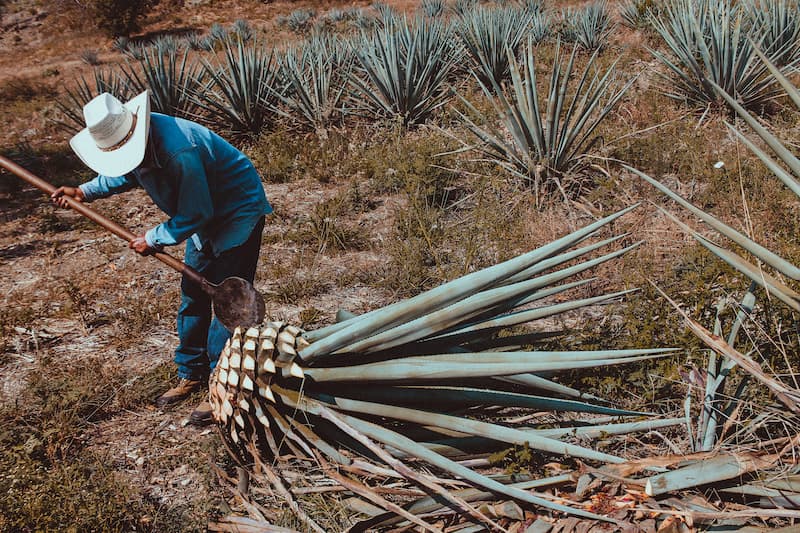
Tequila and mezcal both stem from ancient origins linked to the agave plant, which was sacred to Mexico’s early civilisations. Long before the art of distillation arrived, the Aztecs produced pulque, a fermented agave beverage used for both ceremonies and everyday life. When Spanish settlers introduced distillation in the 16th century, these new techniques merged with indigenous traditions to produce the first mezcals, with Oaxaca emerging as a vital centre due to its unique underground roasting methods.
Tequila developed later in Jalisco, where the Blue Weber agave flourished in the local volcanic soil. By the late 1700s, the town of Tequila had become the heart of production, hosting La Rojeña, the oldest commercial distillery in Mexico. As time passed, tequila became more industrialised, reached a global audience, and eventually secured its Denomination of Origin in 1974, establishing it as a unique category.
Mezcal, meanwhile, stayed true to its artisanal foundations, with small-scale makers upholding traditional processes. It received its own Denomination of Origin in 1994 and has lately seen a surge in international interest thanks to its smoky depth and character defined by terroir. Together, these spirits offer parallel narratives, whilst tequila represents industrial expansion and global fame, mezcal stands for handcrafted heritage and cultural richness, yet both remain inseparable from Mexican identity and the agave plant.
Mezcal vs Tequila: production methods and Denomination of Origin
The protected geographical status for tequila is highly specific: production is restricted to particular regions of Mexico (the states of Jalisco, Guanajuato, Michoacán, Nayarit or Tamaulipas). Similarly, the denomination of origin for mezcal is strictly defined, limited to certain areas of Mexico that primarily comprise Oaxaca and several other authorised regions.
The methods for crafting tequila and mezcal also share similarities: both begin with the agave core, which is roasted and crushed into a pulp. Following this, the pulp is fermented and distilled in a fashion similar to other spirits. A primary distinction lies in the ageing requirements: tequila must be aged for a minimum of two months before it can be bottled or sold, whereas mezcal has no such mandatory ageing period.
The difference between Tequila and Mezcal is all in the agave
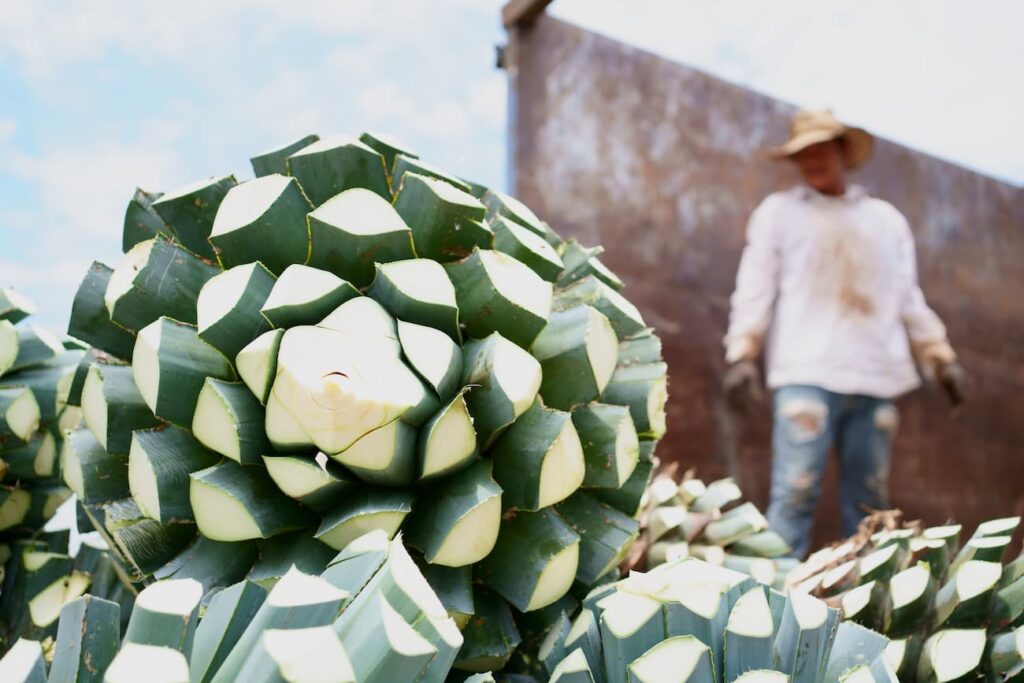
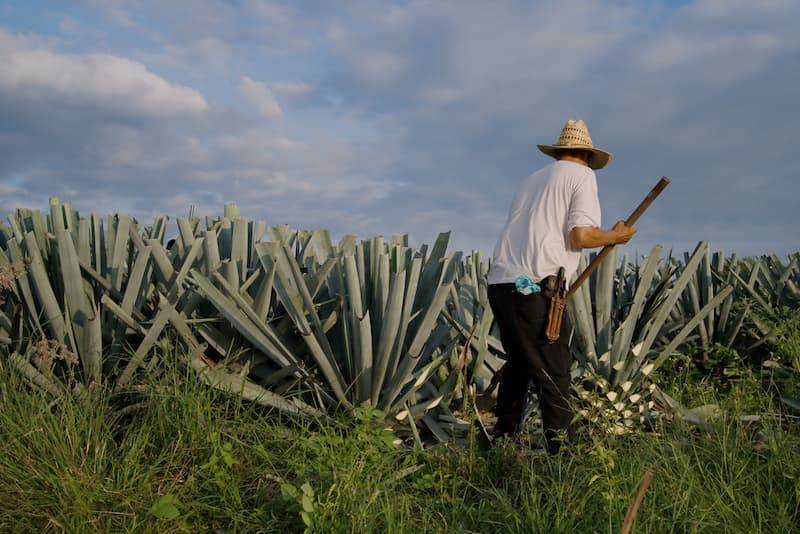
To produce tequila, one requires agave plants that are at least 10 years old, though older plants typically yield a superior flavour profile. The agaves are harvested by hand during their fifth year just as they prepare to flower. Once harvested, they are steam-cooked until their natural starches transform into fermentable sugars.
This stage creates a distillate known as must, which carries an alcohol volume of over 60%. After distillation, the result is truly exceptional! The liquid then undergoes a second distillation in copper stills before resting in oak casks for at least two months, allowing the complex flavours to mature fully.
In contrast, mezcal is crafted from a wide variety of agave species and is traditionally produced using clay pots over open flames, rather than the steam-based distillation used for tequila. The agave hearts are roasted in underground earthen pits lined with volcanic stone and heated by wood fires.
This patient, smoky roasting technique has stayed virtually the same for generations, giving mezcal its iconic earthy and smoky profile. After the cooking process, the agave is crushed, fermented and distilled—frequently using artisanal or ancestral methods that are as much a tribute to cultural legacy as they are to taste.
What are the different types of Tequila and Mezcal?
Both tequila and mezcal are sorted into specific categories based on their maturation, how they are produced and their chemical make-up. Gaining an insight into these classifications allows consumers to explore the various options on offer and find spirits that truly align with their tastes.
Tequila classifications
The categorisation of tequila mainly depends on two elements: the agave content and the length of time it has spent ageing. Usually, the alcohol volume ranges from 35% to 55%, with the majority of bottles sitting around the 40% mark.
By Agave Content:
- 100% Agave Tequila – Crafted entirely from Blue Weber agave sugars without any supplemental sweeteners. It is a legal requirement that these are bottled at the original distillery. All premium tequilas belong to this group.
- Tequila Mixto – This version contains at least 51% Blue Weber agave, whilst the rest of the sugars come from other sources, such as cane sugar or corn syrup. These can be bottled anywhere and are typically the more budget-friendly choices.
By Ageing (applicable to both 100% agave and mixto):
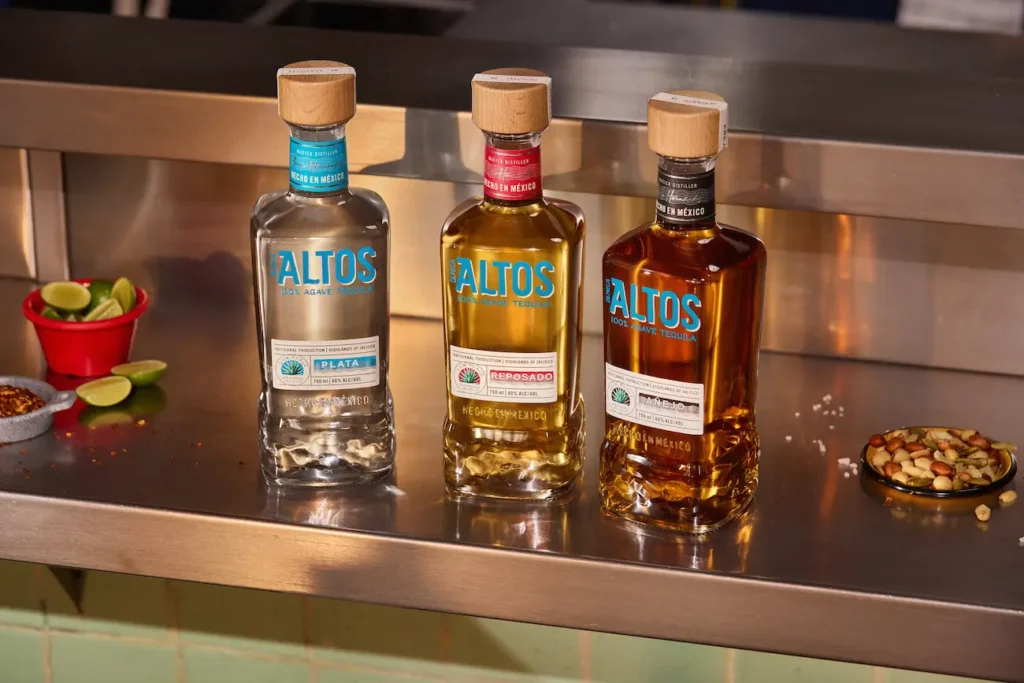
- Blanco (Silver/White) – Either unaged or rested for less than two months, often in stainless steel vats. It provides the most authentic agave flavour, characterised by vibrant, peppery and herbal notes. This is the top choice for cocktails and purists who love the raw agave profile.
- Joven (Gold) – A mixture of Blanco tequila with aged varieties, or Blanco that has been adjusted with colouring and flavouring agents. Technically, it is not a standalone aged category and often serves as an entry-level product.
- Reposado (Rested) – Matured in oak casks for a period between two and twelve months. It picks up delicate hints of vanilla, caramel and timber whilst keeping the bright agave core, offering a superb balance for both sipping and mixing.
- Añejo (Aged) – Aged in oak barrels (frequently ex-bourbon) for one to three years. These spirits show greater complexity with clear wood influence, notes of dried fruit, spice and chocolate, and a softened agave presence.
- Extra Añejo (Ultra-Aged) – Maturing for at least three years, this category was officially recognised in 2006. It offers a rich, sophisticated profile similar to fine aged whiskies or cognacs, with deep notes of oak, leather, tobacco and dark berries.
- Cristalino – A modern trend where an aged tequila (usually an Añejo) is filtered to remove its colour whilst keeping the complex flavours of the wood. It marries the silky texture of a Blanco with the depth of an aged expression.
Mezcal classifications
The system for categorising mezcal is more intricate, reflecting its handcrafted nature and varied production styles. The alcohol content generally falls between 40% and 55%, typically making it stronger than tequila.
By Production Method (as set by the Consejo Regulador del Mezcal):
- Mezcal – Created using contemporary industrial processes. This may involve autoclaves for the cooking stage, mechanical shredders, column stills and stainless steel tanks for fermentation. This is the version most commonly found in shops.
- Mezcal Artesanal – A blend of traditional heritage and modern efficiency. It usually employs underground pit ovens or masonry kilns, milling via tahona or mechanical means, wooden or stone fermentation vats and copper or steel pot stills. It represents the middle path of the industry.
- Mezcal Ancestral – Follows strictly pre-industrial traditions. This requires roasting in underground pits, milling by hand or animal-powered tahona, fermenting in natural containers (like animal hides or hollowed logs) and distilling in clay pots or wooden stills. This is the rarest and most traditional form.
By Ageing:
- Joven (Young/Blanco) – Unaged or rested for under two months. This gives the clearest taste of the specific agave variety and its terroir, featuring a full smoky profile.
- Reposado – Spent between two and twelve months in wood, picking up light oak nuances whilst holding onto the core spirit of the mezcal.
- Añejo – Matured in wood for at least a year. It gains a smoother, more complex finish, though aged mezcals are far less common than their tequila counterparts.
Special Categories:
- Pechuga – A mezcal that undergoes a third distillation with fruits, grains and spices. Traditionally, a raw turkey or chicken breast is hung inside the still, resulting in a remarkably complex spirit reserved for celebrations.
- Ensamble – A blend made from several agave species, either roasted together or combined after distillation to create a unique marriage of flavours.
- Unlike tequila, which relies on a single agave type, mezcal labels frequently highlight the specific species used. Common examples include Espadín, the highly coveted wild Tobalá, the slow-growing Tepeztate (taking up to 30 years to ripen) or the semi-wild Arroqueño.
This classification framework highlights the incredible variety of mezcal—a single maker might produce numerous expressions that vary by agave, method and ageing, with every bottle sharing a unique story of the land, the plant and the producer.
Does Mezcal taste like Tequila?
Whilst both spirits pay tribute to the agave plant, their flavour profiles are distinctly different. Tequila’s character is derived from Blue Weber agave, which is steam-cooked in ovens and distilled with great precision. This technique produces a smooth spirit that showcases fresh, peppery spice, vibrant citrus and delicate herbal undertones.
Mezcal, on the other hand, develops its personality through underground pit-roasting, where the agave hearts are slowly cooked over wood and stone. This age-old method is responsible for its iconic smokiness, which can vary from a subtle hint to an intensely bold presence.
Beyond the smoke, mezcal boasts an incredible variety: earthy and mineral notes linked to the terroir, touches of tropical fruit like pineapple or mango from certain agave types, and warm layers of spice such as clove or cinnamon. The differences in flavour between tequila and mezcal allow each spirit to excel in different settings, whether sipped neat or mixed into cocktails.
Flavour comparison between the spirits of Mexico
- Tequila is generally smoother and more approachable, maintaining a more consistent flavour across various brands.
- Mezcal provides a broader spectrum of tastes, ranging from mellow and fruity to heavily smoky and earthy.
- Mezcal frequently possesses a more handcrafted and varied nature, mirroring the local traditions of its production.
- Whilst maturation in tequila adds smoothness and complexity, in mezcal it can sometimes overshadow the unique agave flavours; for this reason, long-term ageing is less frequent.
How to drink Tequila and Mezcal
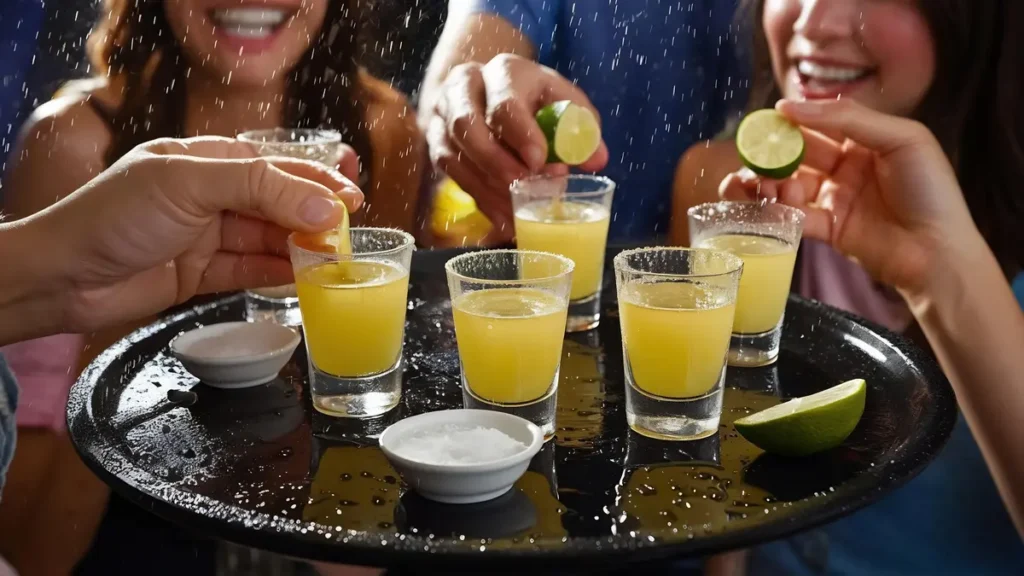
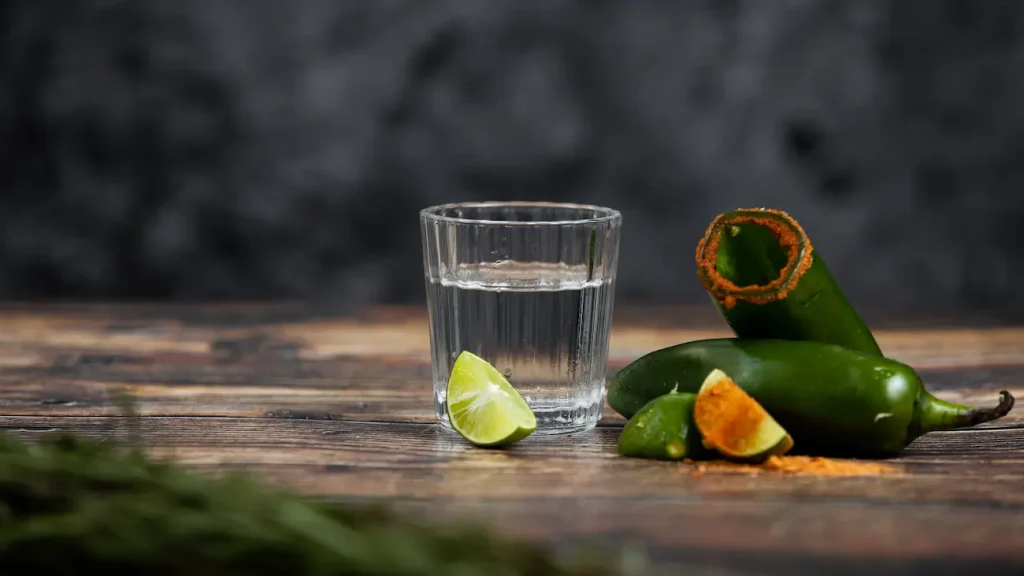
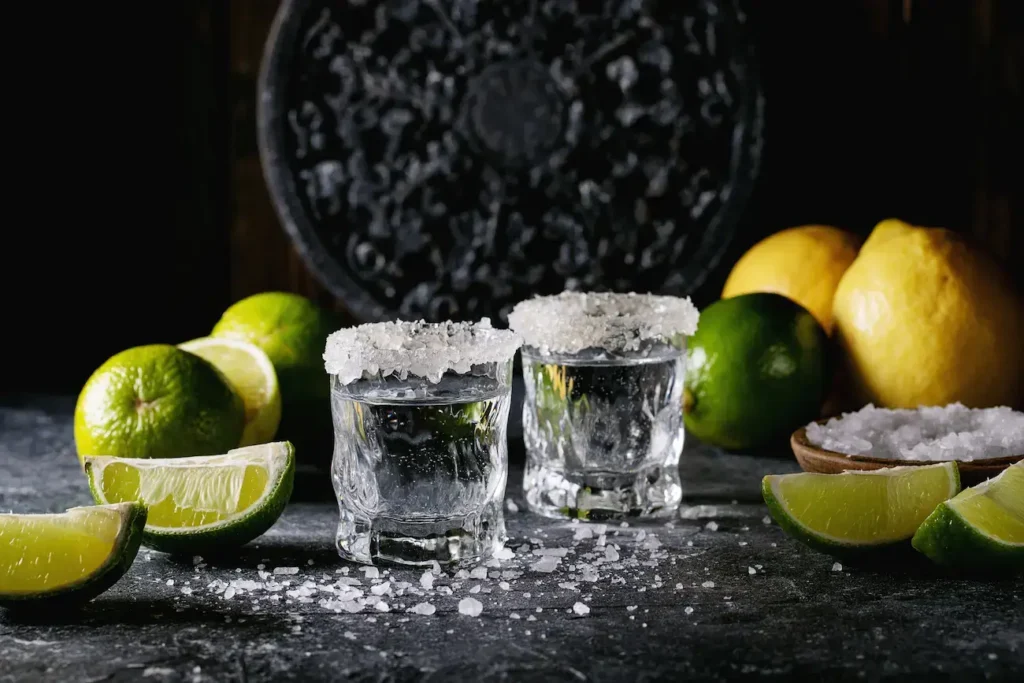
Appreciating tequila and mezcal is far more than just having a drink—it is taking part in a cultural ceremony. In Mexico, both spirits are traditionally sipped at a slow pace from small glasses to fully enjoy their aromas and flavours. Mezcal is frequently served alongside accompaniments such as worm salt, citrus slices or jícama, whereas tequila found global fame through the “lick-sip-suck” shot ritual, even though premium bottles are best enjoyed with more focus.
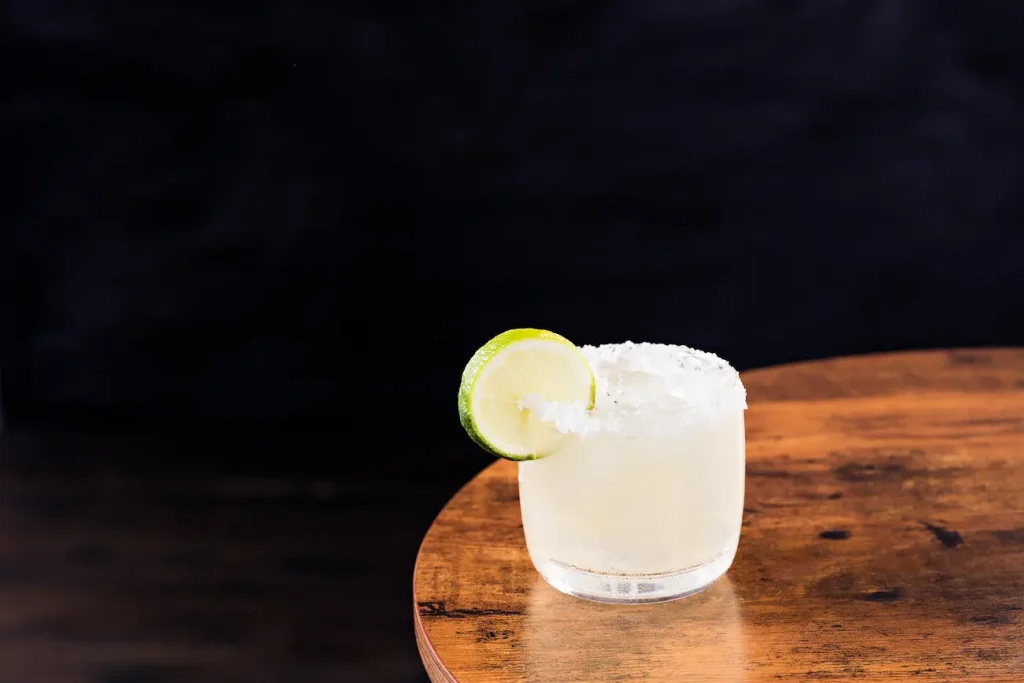
Today, both spirits are celebrated in various ways. Tequila proves its flexibility in classic cocktails, with blancos offering crispness and reposados providing depth to spirit-led drinks. Mezcal, with its smoky layers, is often enjoyed neat, yet modern mixology has embraced it in bold serves like the Oaxaca Old Fashioned or the Mezcal Negroni, sometimes pairing it with other base spirits for a balanced finish.
To truly appreciate them, tasting both spirits neat allows you to discover their many layers—observing the colour, inhaling the aromas and enjoying the flavours from the first sip to the final finish. They also pair wonderfully with food: tequila is a brilliant match for seafood, citrus-based dishes and Mexican favourites, while mezcal complements grilled meats, mole, chocolate and specialities from Oaxaca.
Whether you prefer them neat, on the rocks or in a cocktail, the finest way to enjoy them is whatever honours their craftsmanship whilst giving you the most enjoyment.
The famous Mezcal and Tequila worms
If you have ever sampled tequila or mezcal, there is a good chance you have spotted a worm in the bottle. Whilst this might seem startling, there is no need for concern—it is not actually a worm, but a type of caterpillar known as Hypopta agavis that inhabits maguey plants. These larvae live off the plant’s juices as they grow before eventually becoming adult moths that lay eggs in other maguey plants, continuing the natural cycle.
Although you will not find a worm in tequila (a distilled spirit made exclusively from blue agave), certain varieties of mezcal include one as part of their traditional production. The logic behind this is straightforward: they assist in breaking down the sugars in the plant matter used for mezcal into an alcohol-rich liquid, which is then distilled and bottled as a spirit.
Mezcal versus Tequila: a comprehensive overview
When choosing between tequila and mezcal, it might appear that you are looking at two sides of the same coin, given that both originate from agave plants. In reality, however, these two spirits are markedly different, each boasting its own unique flavour profile and a distinct philosophy behind its production.
Similarities:
- Tequila is a spirit crafted from Blue Weber agave, whilst mezcal can be produced from any variety of agave plant.
- To be regarded as authentic, both tequila and mezcal must be produced within Mexico; specifically, they are restricted to certain states that hold the official denomination of origin.
- Both liquids are distilled and undergo a traditional fermentation process.
- Both are celebrated as iconic Mexican drinks and represent a vital part of the nation’s cultural heritage.
- Tequila and mezcal are equally suited for use in cocktails or for enjoying neat.
Differences:
- Tequila is required to age in barrels for a minimum of two months, whereas mezcal is not bound by this regulation.
- Generally, mezcal possesses a flavour profile that is less reminiscent of vanilla than tequila.
- Certain types of mezcal incorporate worm larvae during the production process.
- Mezcal predates tequila. In fact, many experts view tequila as a specific sub-category of the broader mezcal family.
- On the whole, mezcal tends to have a higher alcohol by volume (ABV).
- The range of agave species used in mezcal production is far more extensive than in tequila, leading to a much wider spectrum of flavours.
Altos Tequila vs Mezcal
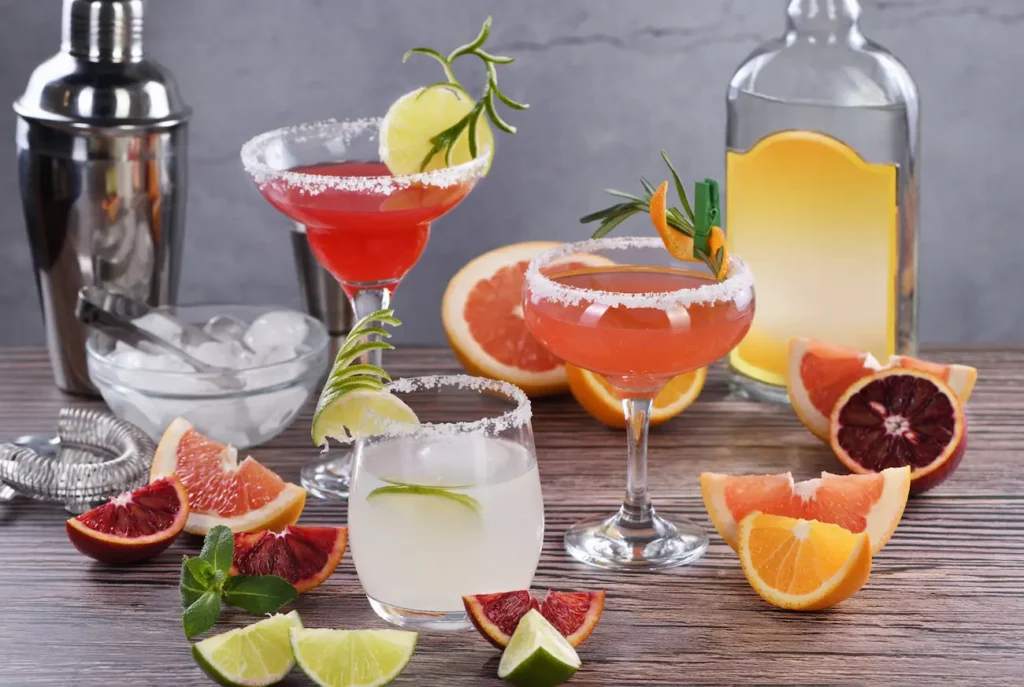
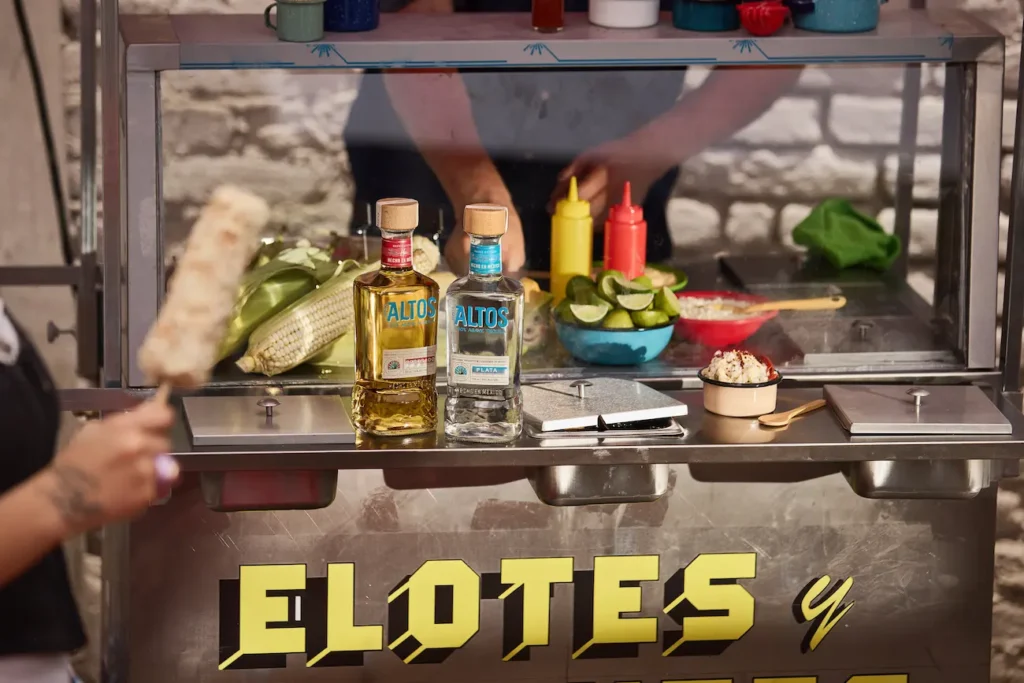
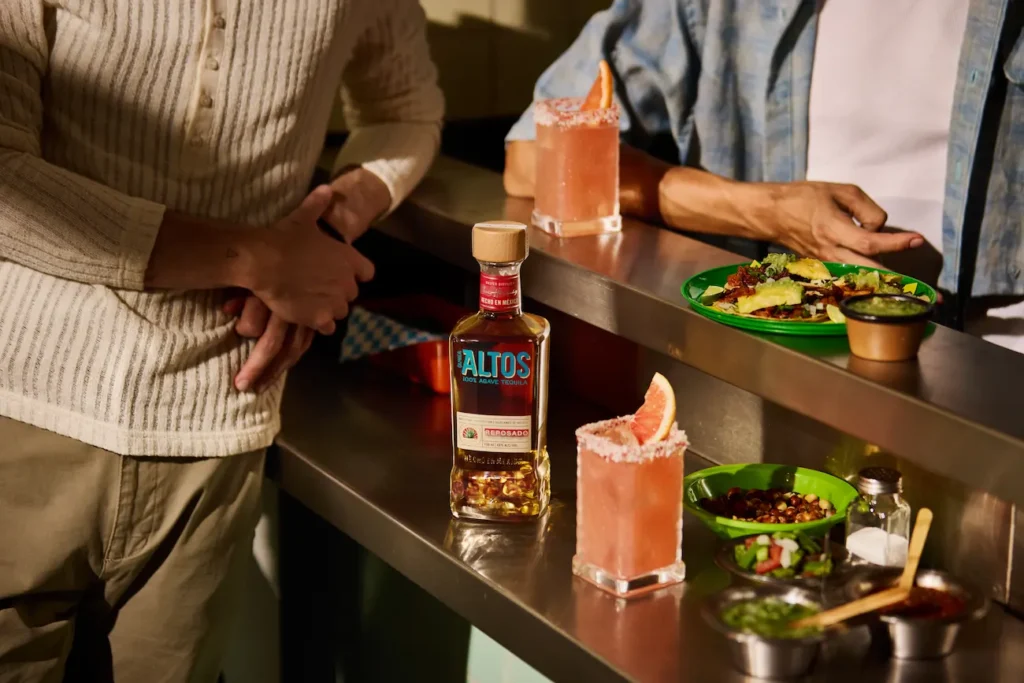
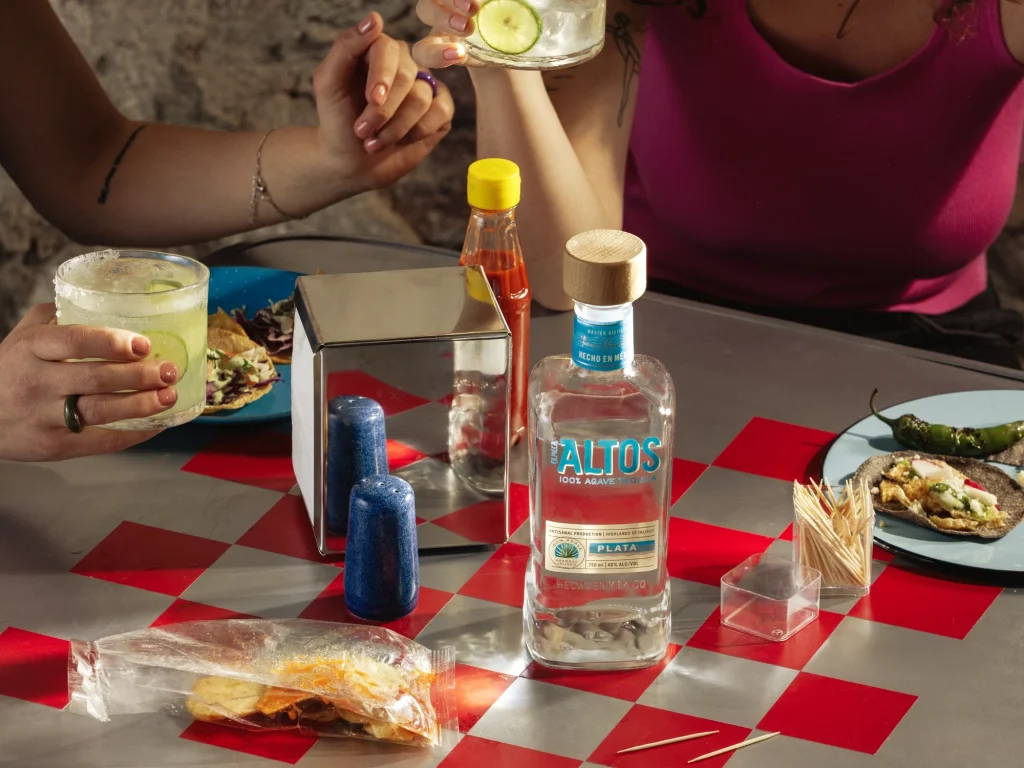
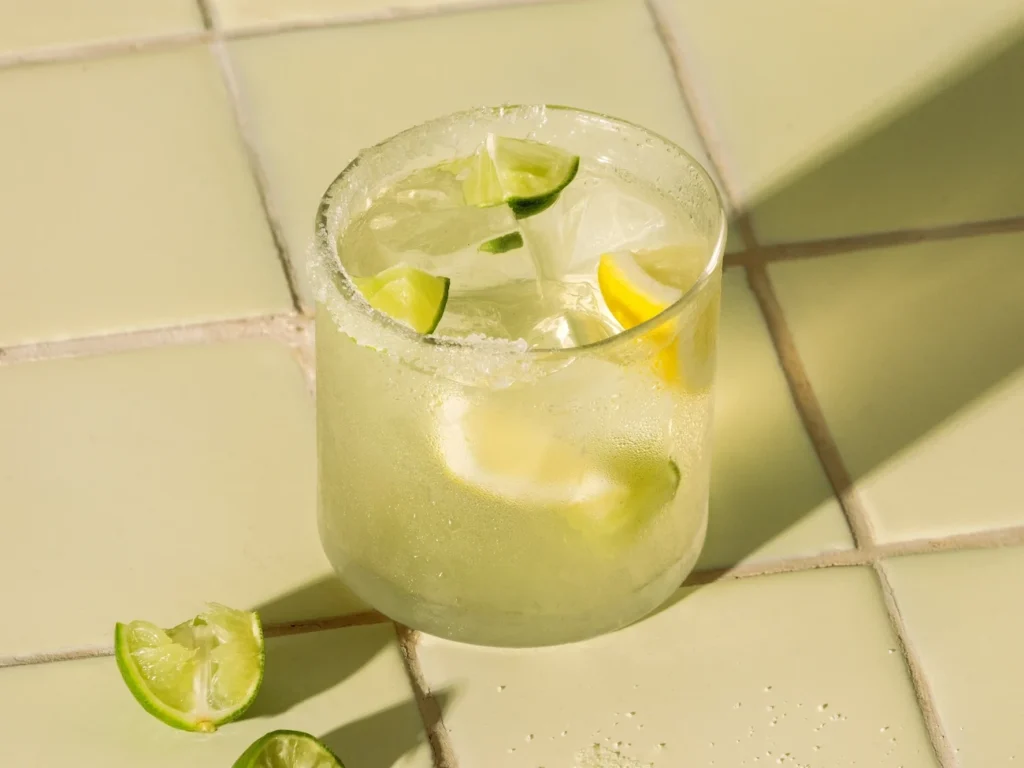
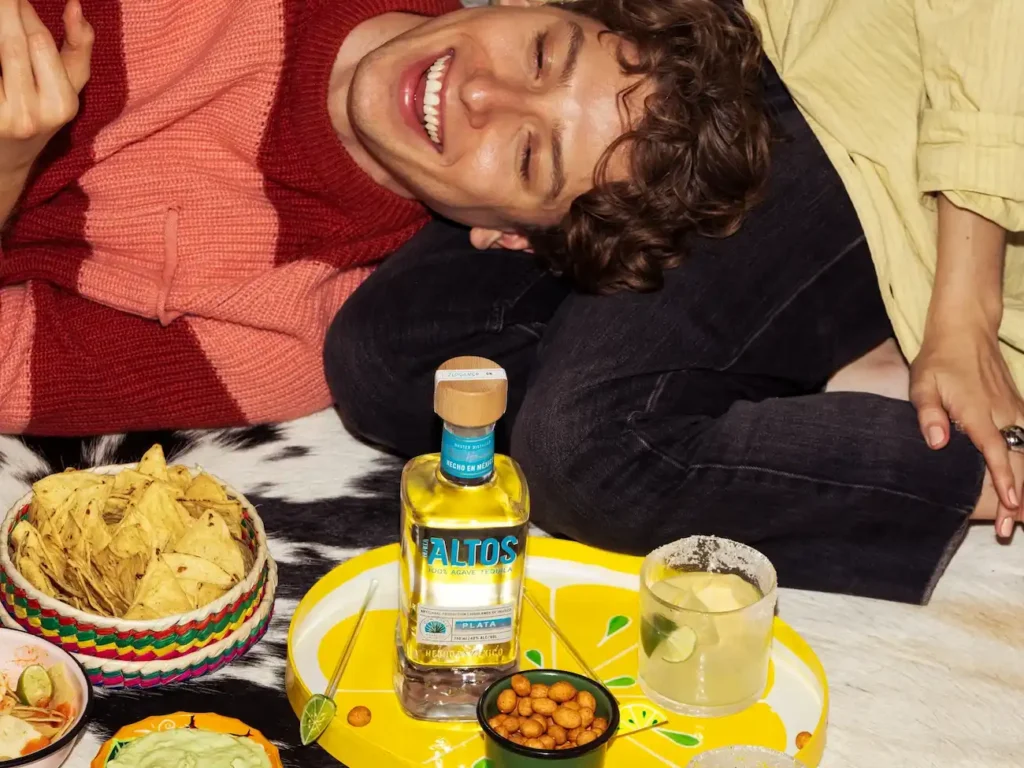
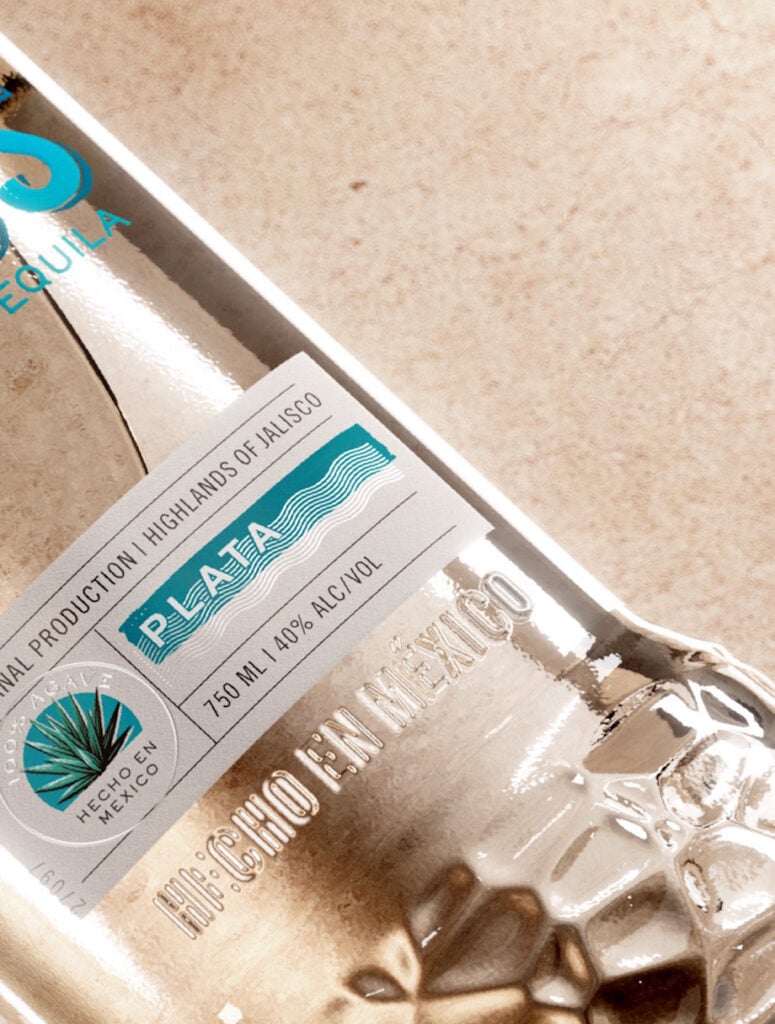
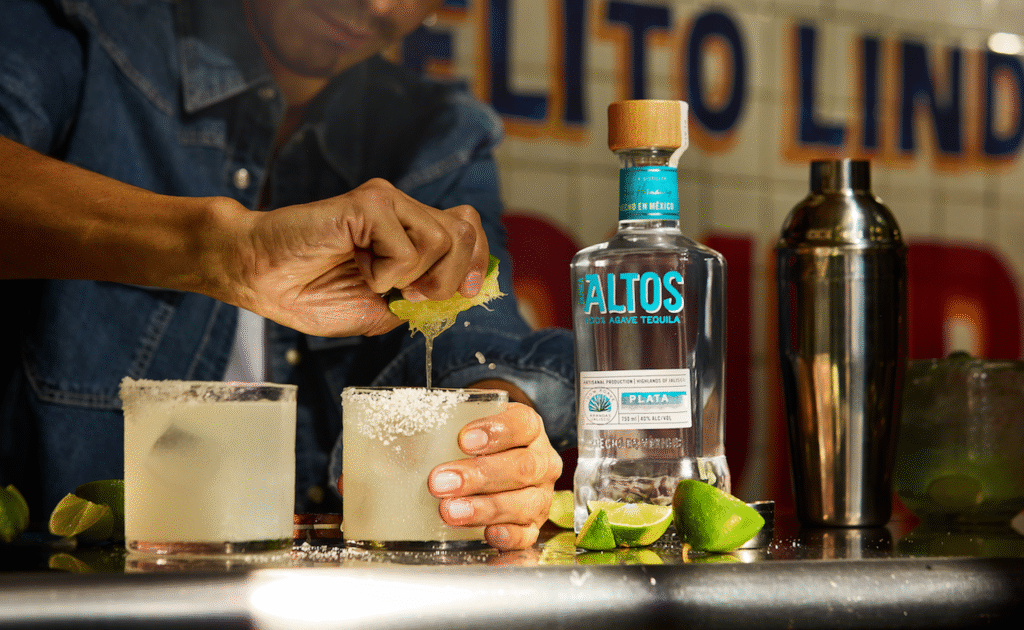
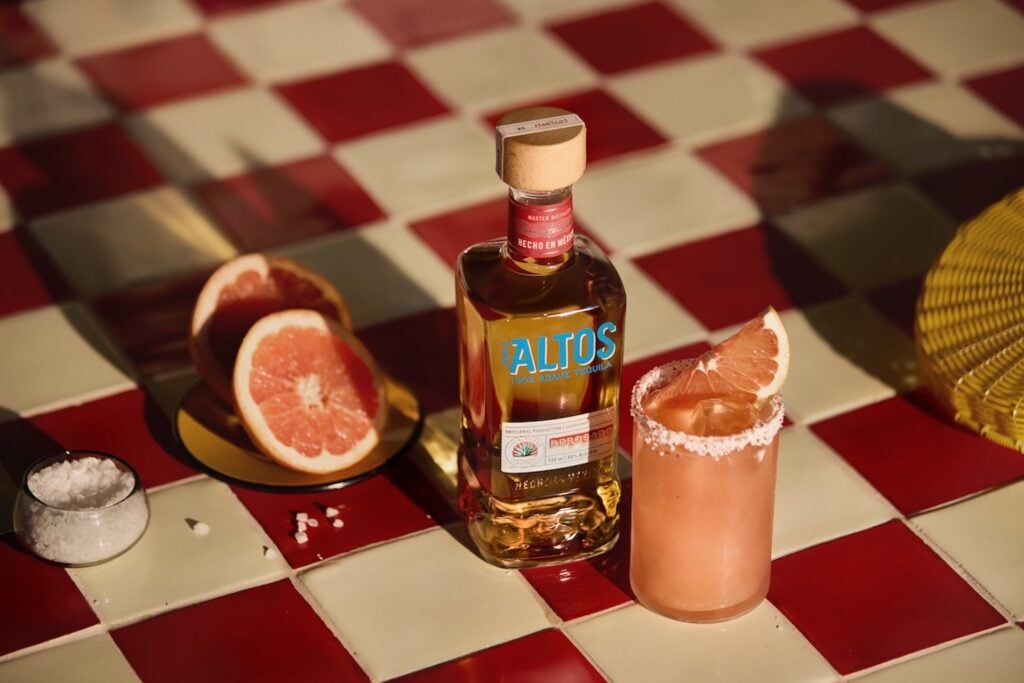
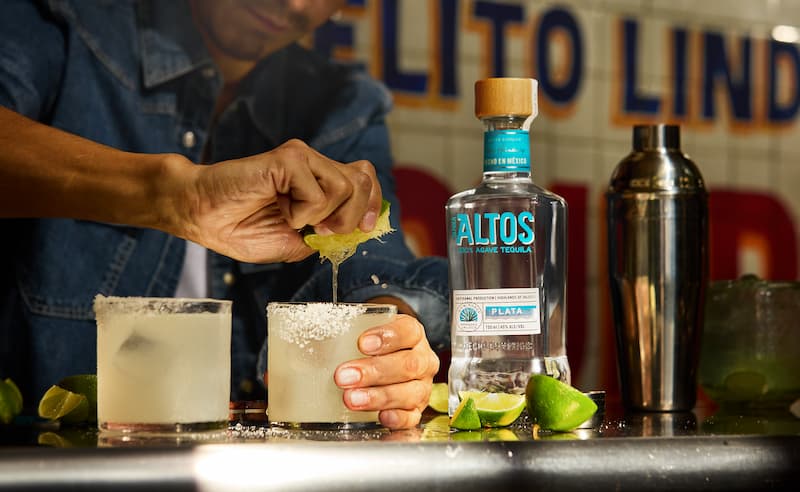
Altos is a premium, 100% blue agave tequila matured in oak casks. This results in a smooth, sophisticated taste that harmonises beautifully with fruit juices or within cocktails such as the Margarita. Altos delivers a silky mouthfeel and a sweet finish, characterised by notes of honey and vanilla. It serves as a perfect example of a tequila that also offers a subtly earthy and smoky touch on the finish.
Mezcal, by contrast, is produced from various agave species and can be infused with other ingredients, such as pine nuts and wild herbs, to develop unique flavour profiles. Mezcal has been a staple in Mexico for over 400 years and its popularity remains as strong as ever today.
Whether you are attracted to the refined smoothness of tequila or the daring complexity of mezcal, both spirits represent Mexico’s profound heritage and artisanal skill. This comparison proves that tequila can be every bit as nuanced and adaptable as mezcal, whether it is sipped neat or used as the backbone of an iconic cocktail.
Together, these two spirits offer an invitation to discovery, providing complementary experiences that celebrate the richness of Mexican tradition in every serve.