


Agave Plant to Make Tequila
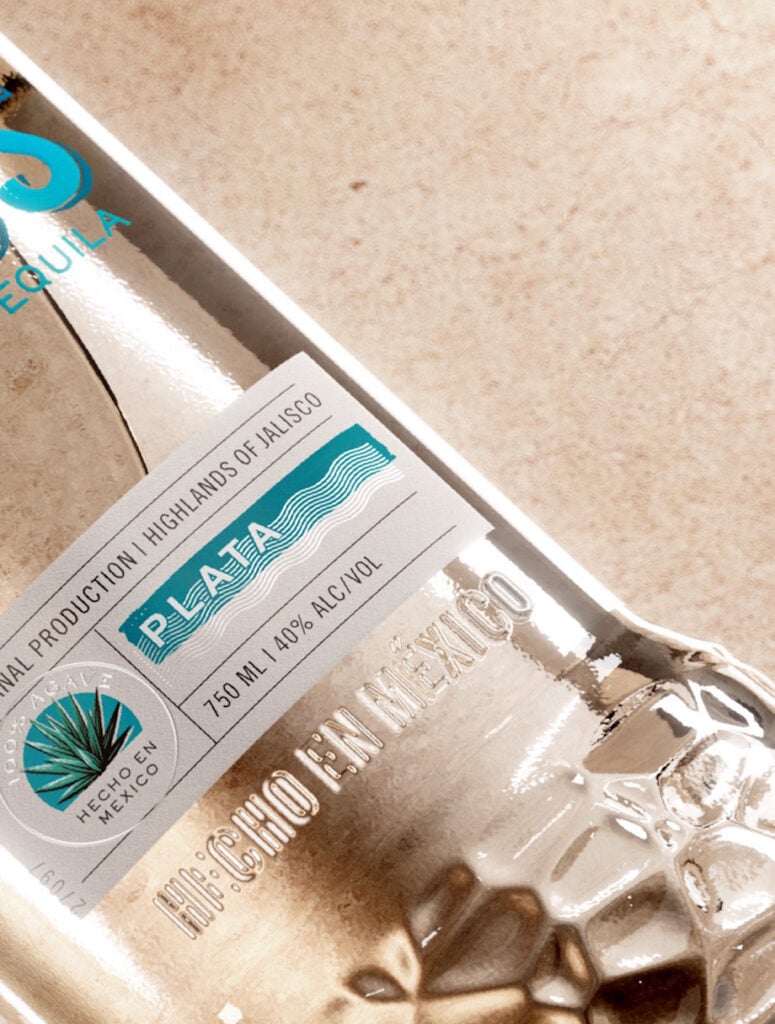
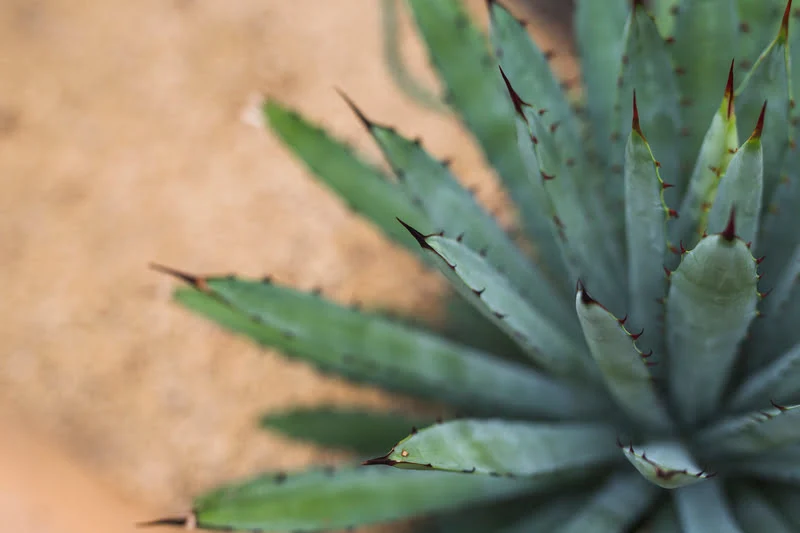
Grown in the highlands of Jalisco, Mexico, the agave plant used to make tequila is known as blue weber agave, or agave tequilana weber. This distinctive mexican agave is the only plant used to make tequila under official production standards, which is why it plays such an essential role in the identity and quality of the spirit. More than just a striking landscape plant, the tequila plant is the foundation of every bottle, shaping the flavor, character, and authenticity of tequila from the very beginning.
One of the most recognizable features of the agave plant tequila comes from is its long, pointed blue-green leaves, which give it a bold and unmistakable appearance in the fields of Jalisco. But what makes it truly remarkable is the time it takes to mature. If you have ever wondered what plant is tequila made from, the answer is blue weber agave, and it typically needs around 6 to 10 years to reach full maturity. That long growth cycle allows the plant to develop and store the sugars that will later be transformed into tequila, making patience a crucial part of the process.
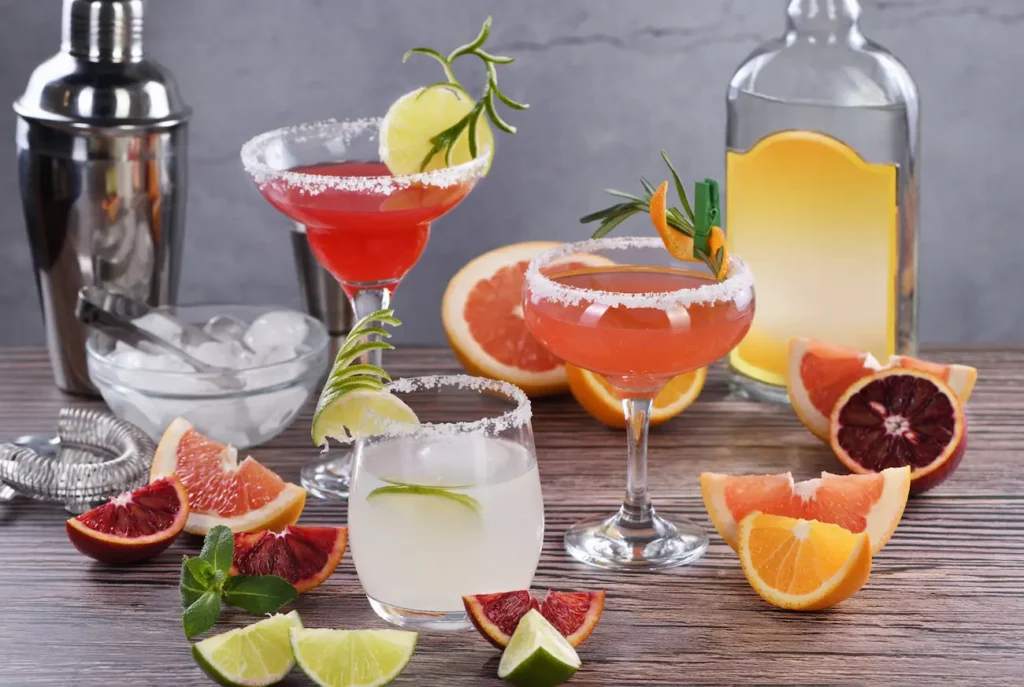
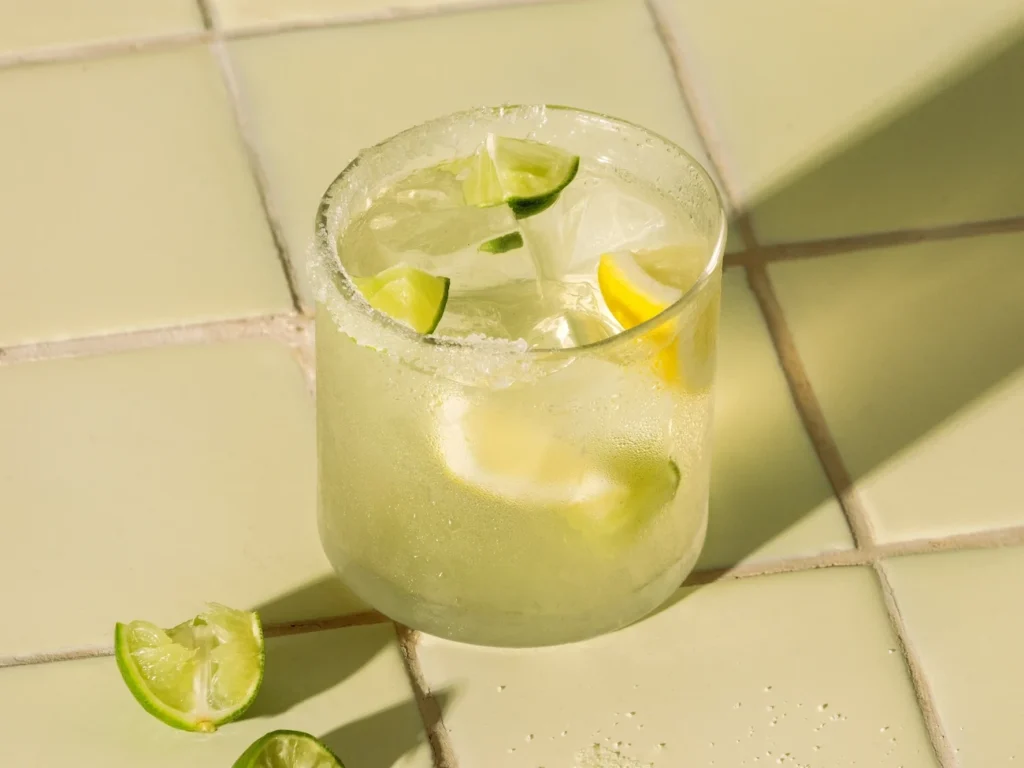
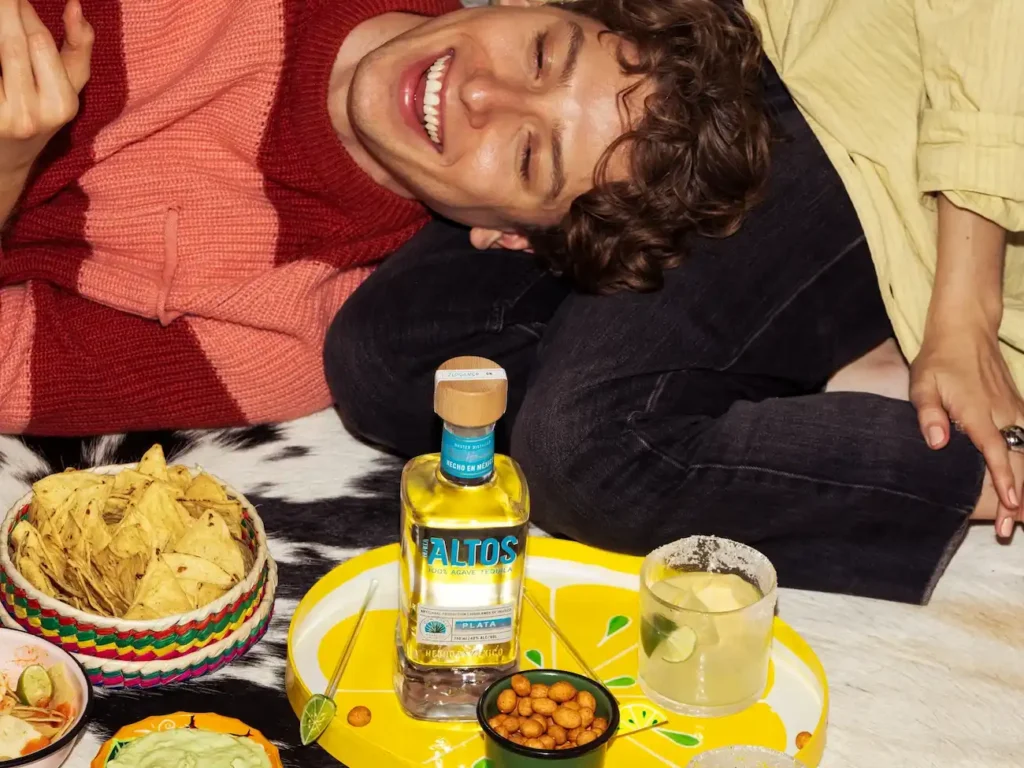
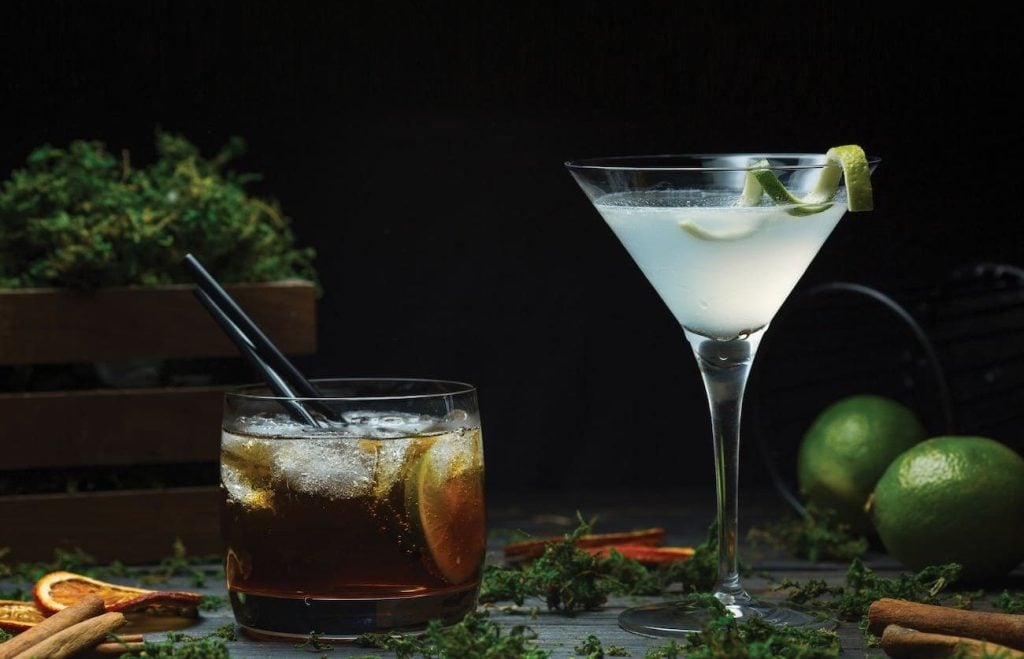
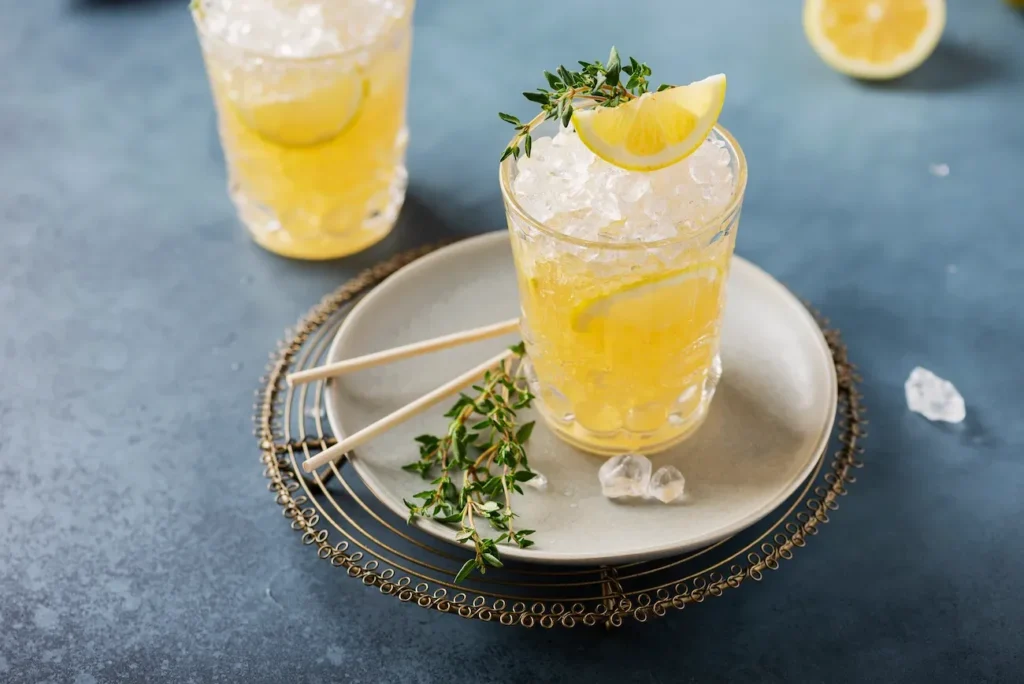
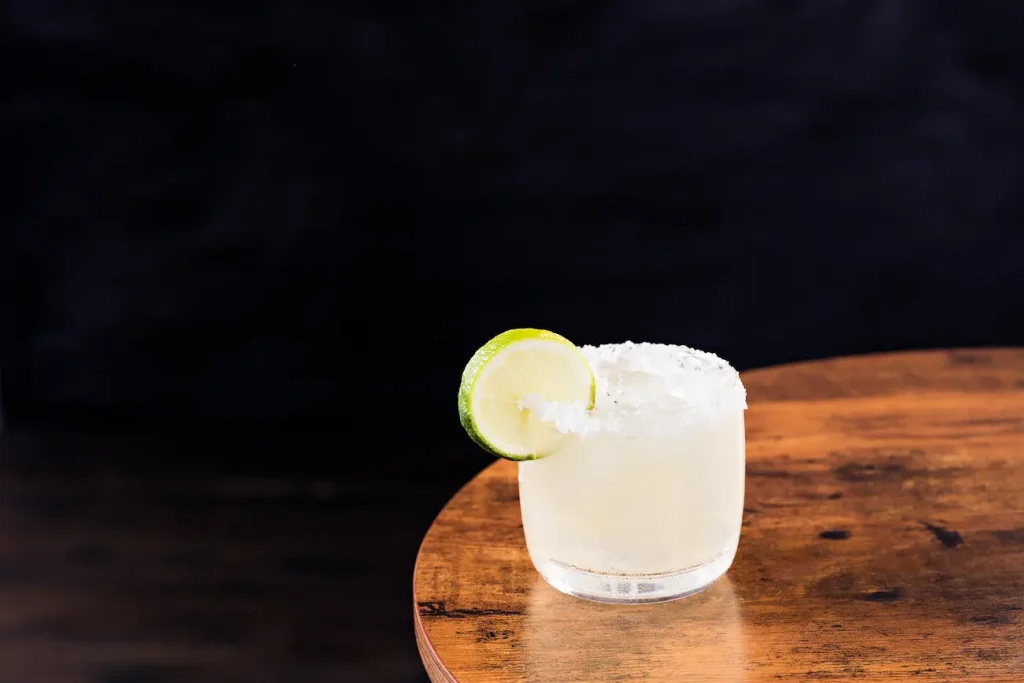
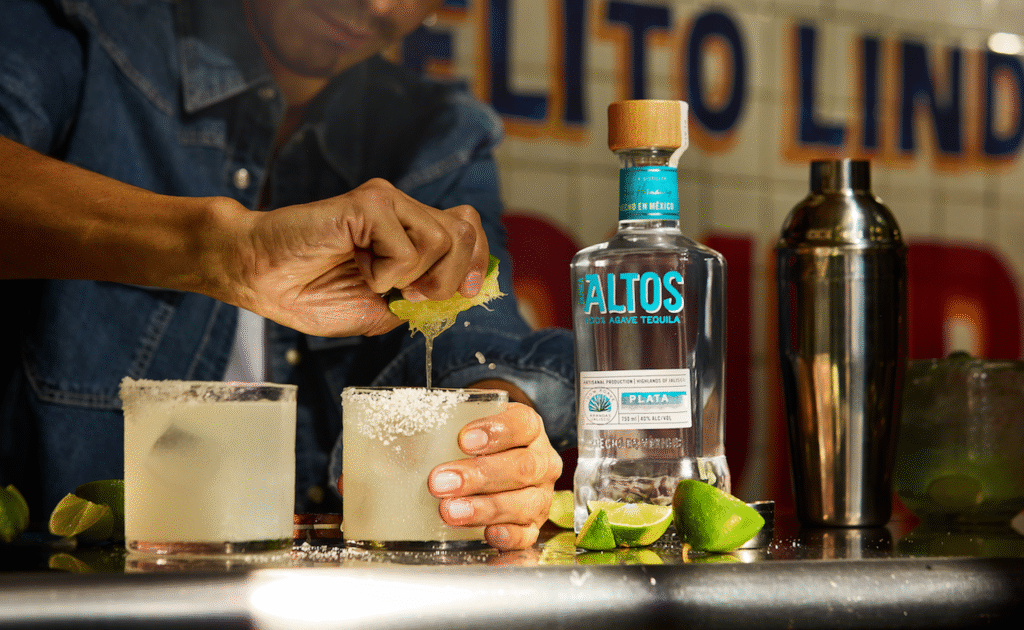
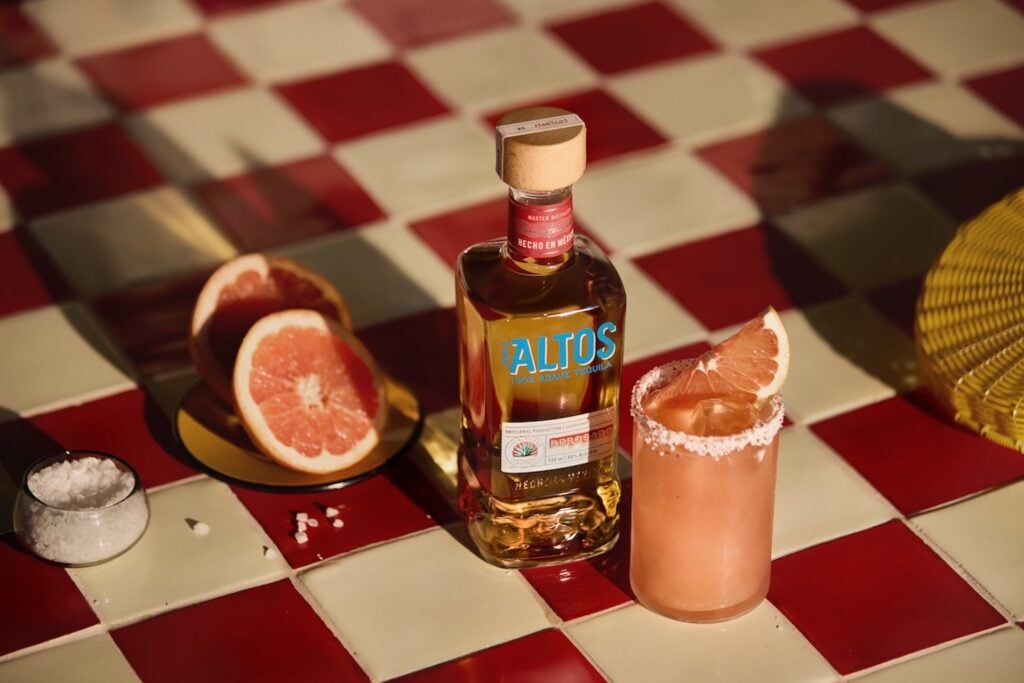
The character of mexican agave does not end in the distillery, it also shapes classic serves and modern tequila drinks, including best agave nectar margaritas.
From Weber Blue Agave Plant to the Tequila Bottle
If you’ve ever wondered what the process is like of how a simple plant ends up being transformed into a drink full of flavor and tradition. We explain it to you:
Once the Agave or blue Agave plant has reached the necessary maturity, harvesting takes place. At this point, the leaves are cut and the “pineapple” is extracted. This central part contains the sugars that will be used in the fermentation process to obtain tequila.
The pineapples are then cooked in special ovens to release the juices and sugars they contain. This cooking process is crucial to convert the starch into fermentable sugars and soften the flavors of the Agave.
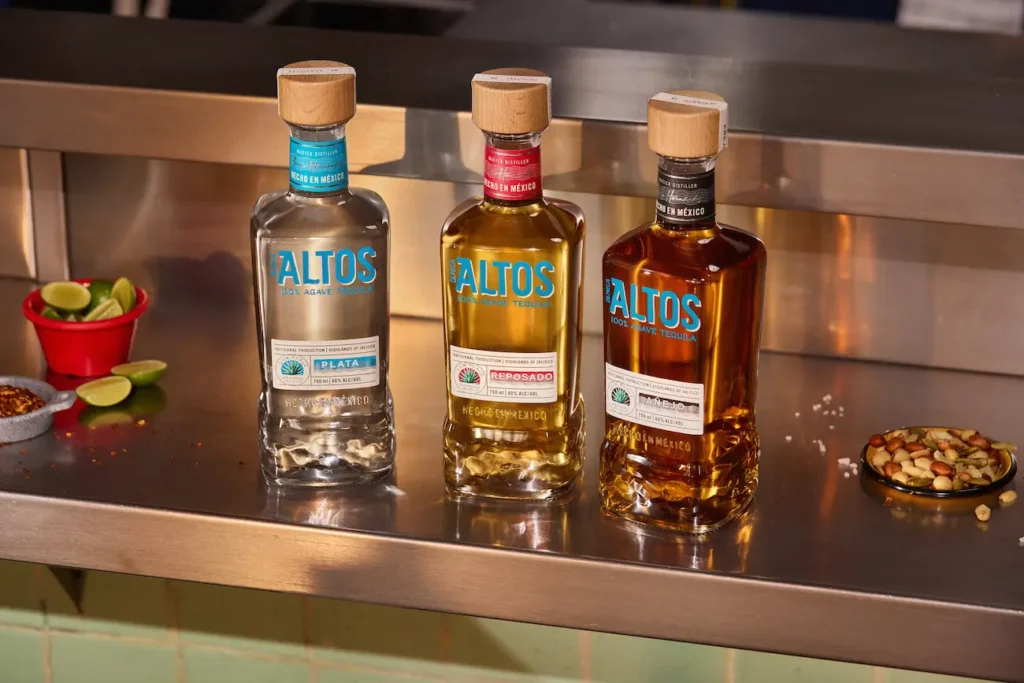
After fermentation, the liquid is distilled, removing impurities and further refining the flavor of the tequila. Once distilled, the white tequila is ready to be bottled. However, if varieties such as reposado or añejo tequila are sought, the liquid is transferred to oak barrels for an aging process that can vary from a few months to several years, the tequila acquires unique flavors and characteristics.
Finally, before being marketed, the tequila undergoes a filtration process to eliminate impurities and the alcohol content is adjusted according to established standards. It is then carefully bottled, ready to be enjoyed by lovers of this famous drink.
The Art of Making Mexican Tequila
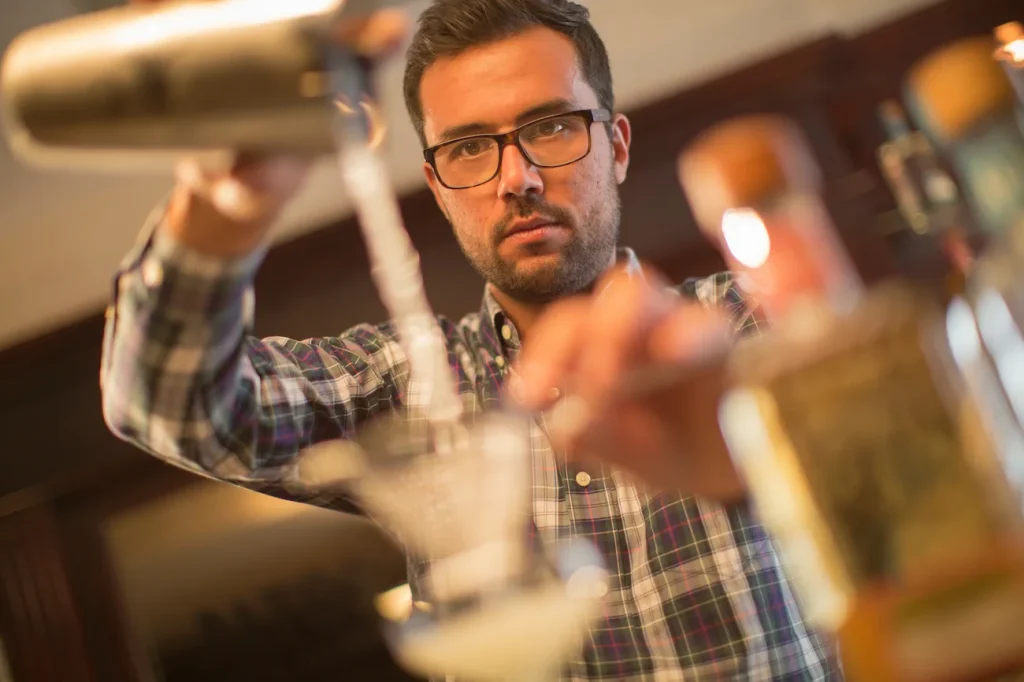
Tequila is considered an art because of the meticulous and careful way in which it is produced, combining tradition, experience and passion of the master tequila makers throughout the process. The master tequila makers must carefully evaluate the state of the plants, their maturity and quality before harvesting them. The way the leaves are cut and the pineapple is extracted affects the amount of sugars and flavors present in the final juice.
The master tequila makers carefully select the yeasts and control the fermentation to achieve specific flavor profiles. Distillation, carried out in stills, requires skill and experience to obtain the different types of tequila, from blanco to añejo, while maintaining the essence and quality of the beverage.
Tequila, the Tradition Behind an Emblematic Spirit
Tequila is deeply woven into Mexican culture and remains one of the country’s most emblematic spirits. Its production is more than a craft, it is a tradition passed down through generations, shaped by the land, the people, and the agave that makes it possible.
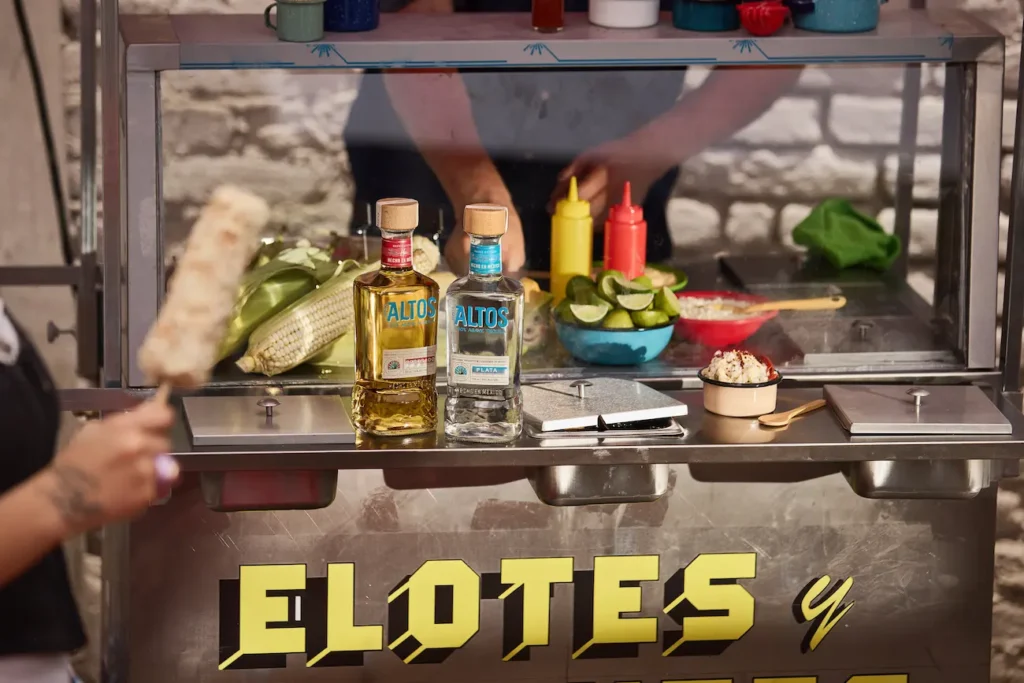
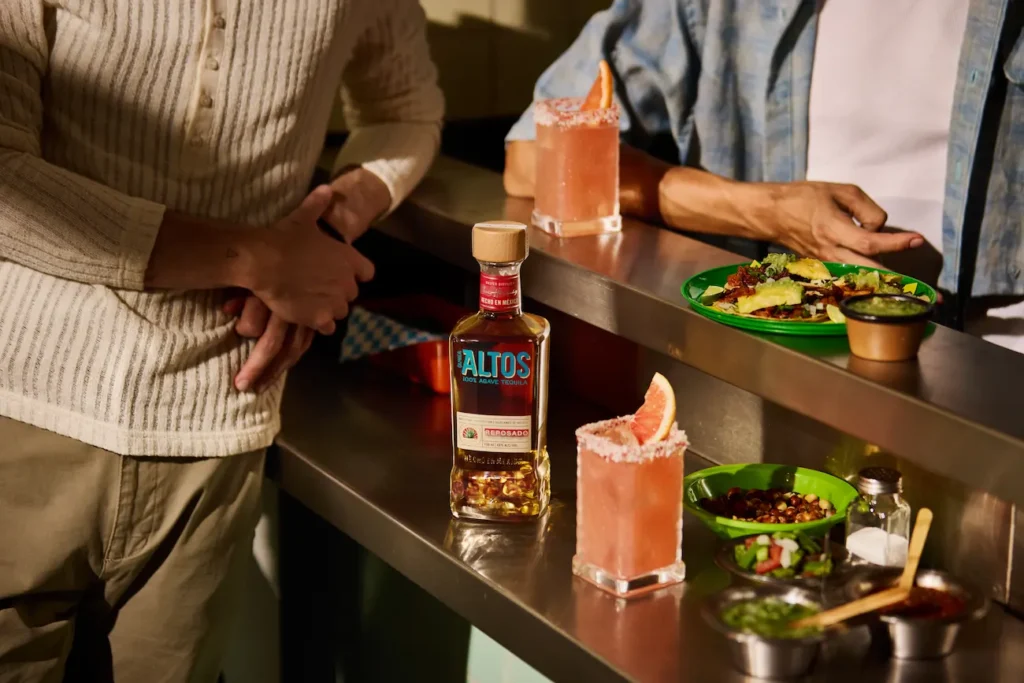
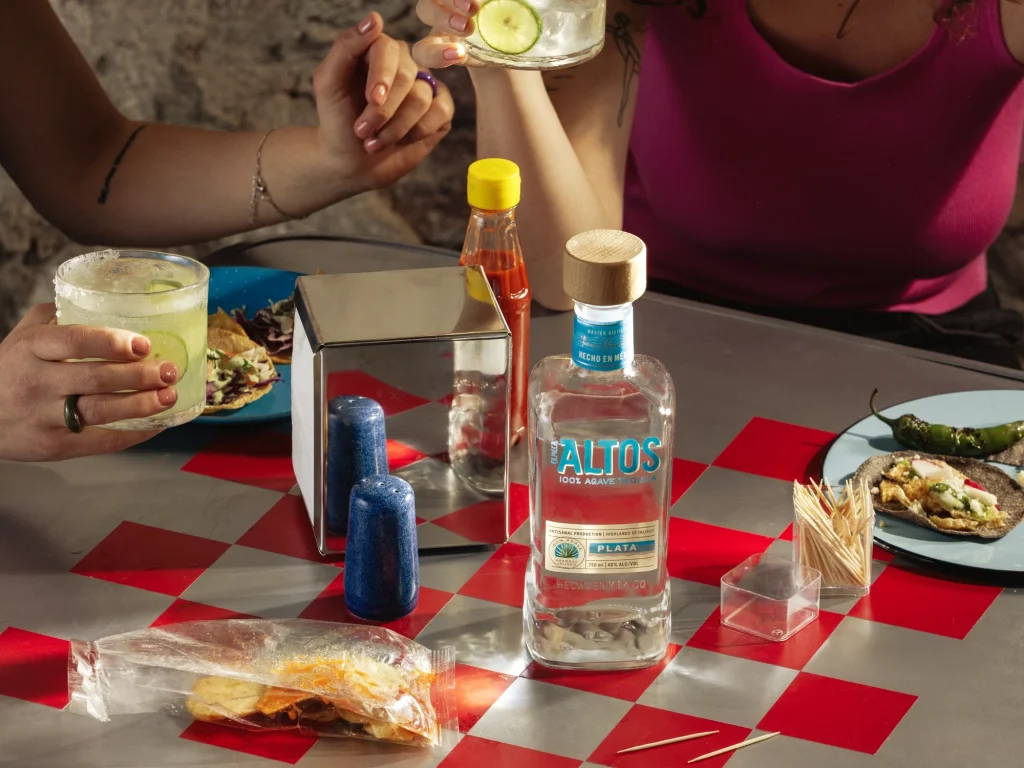
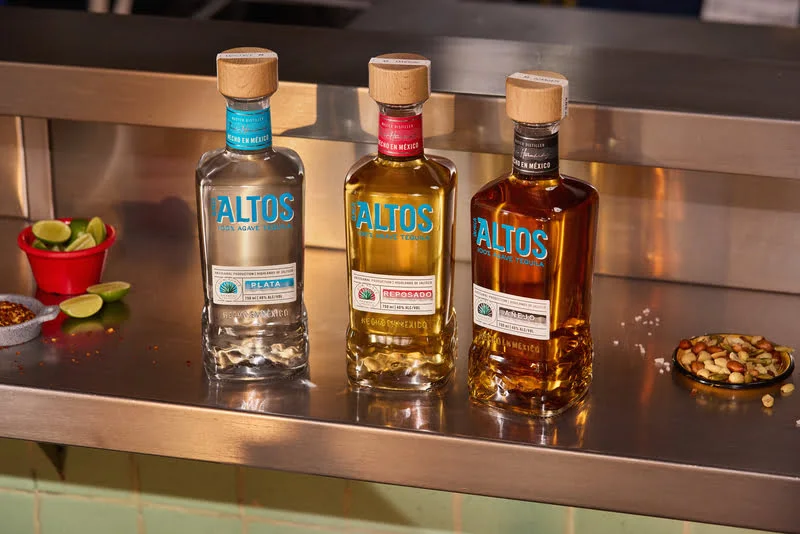
As the iconic plant used to make tequila, blue weber agave represents far more than a raw ingredient. It stands as a symbol of heritage, identity, and a lasting connection to Mexico’s history. This careful approach is what allows Altos to express the true character of the tequila plant in every bottle, from its roots in Jalisco to the way it comes to life in refreshing tequila cocktails.
At Altos, that tradition is approached with deep respect and a clear sense of purpose. The work begins in the highlands of Jalisco, where the mexican agave develops the character that defines the final spirit. From there, each step is guided by a commitment to authenticity, quality, and craft, honoring traditional tequila-making methods while maintaining the consistency expected from a modern premium brand. This careful approach is what allows Altos to express the true character of the tequila plant in every bottle, connecting the heritage of tequila with the way people enjoy it today.