


Stories and sips from altos
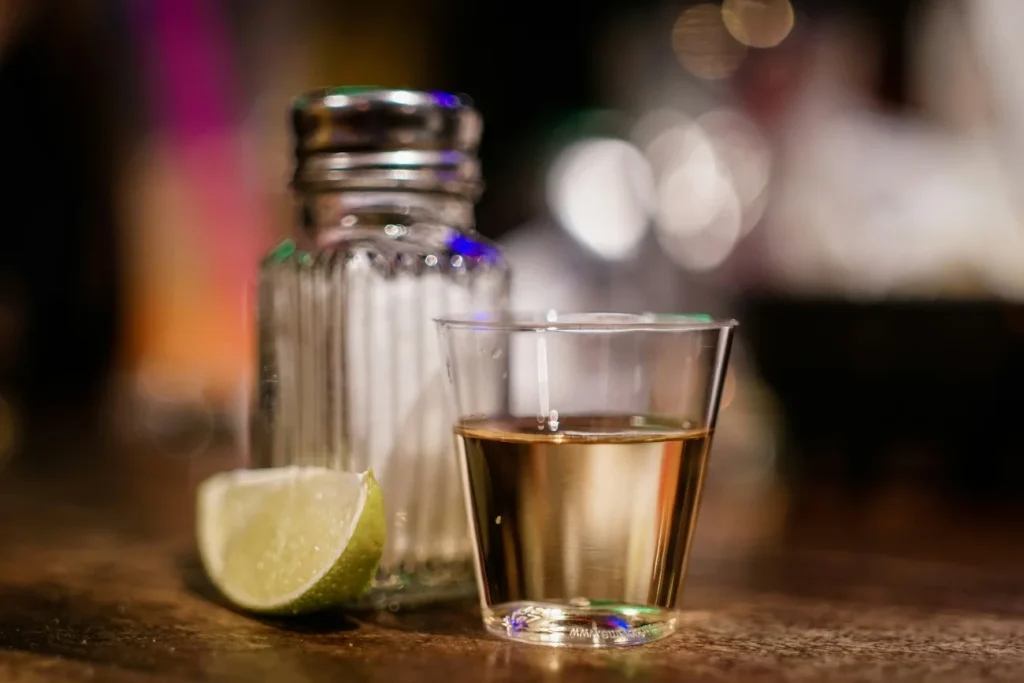

The realm of distilled spirits presents an extensive and varied landscape. Tequila and vodka stand amongst the most distinguished choices, each boasting a rich heritage and profound ties to their respective cultural origins, alongside distinctive taste characteristics and unique production methodologies.
Throughout this piece, we shall examine the fundamental differences and shared attributes between tequila and vodka. Come along on this journey with us!
Fundamental Contrasts in Production Methods
The manufacturing processes for tequila and vodka vary considerably. Tequila originates from the blue agave plant, predominantly cultivated in Mexico’s Jalisco region. The agave undergoes cooking, fermentation, and distillation procedures. …
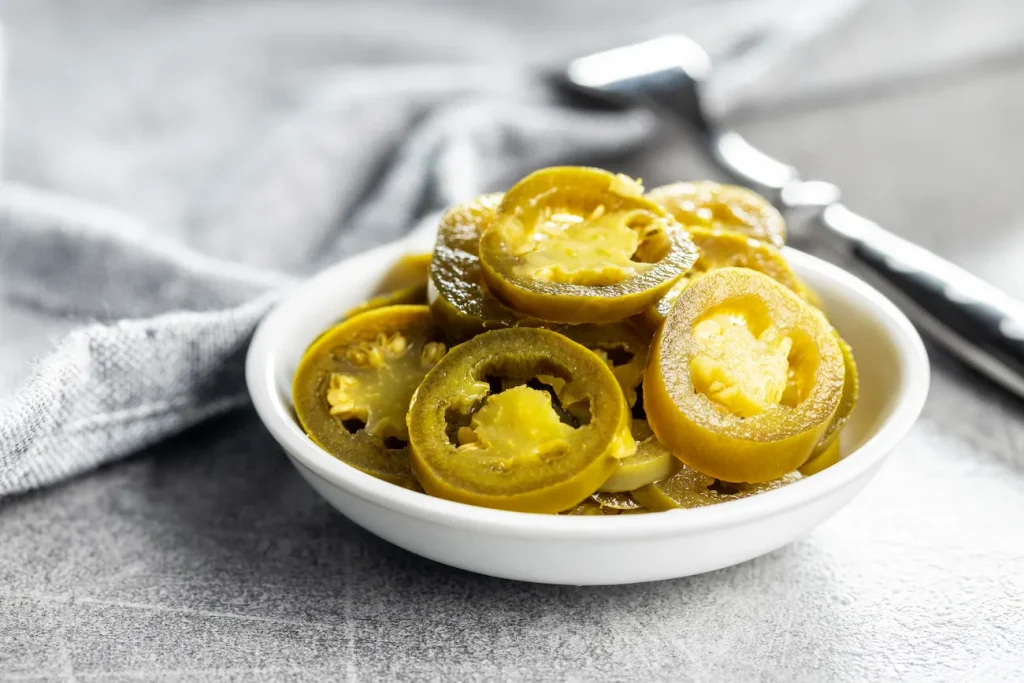
Infusing tequila with jalapeño peppers is a straightforward yet flavourful process. It involves steeping sliced jalapeños in tequila to add a spicy kick. This technique is a favourite among cocktail enthusiasts aiming to bring a zesty twist to their drinks. The secret to a perfect infusion is achieving the right balance between the bold heat of the jalapeños and the smooth character of the tequila.
Ingredients for Jalapeno Tequila Infusion
Recommended Type of Tequila
For jalapeño-infused tequila, a blanco or silver tequila is the ideal choice. These unaged tequilas offer a clean, crisp flavour that complements the sharp heat of jalapeños without overpowering your palate.
Preparation of Jalapenos…
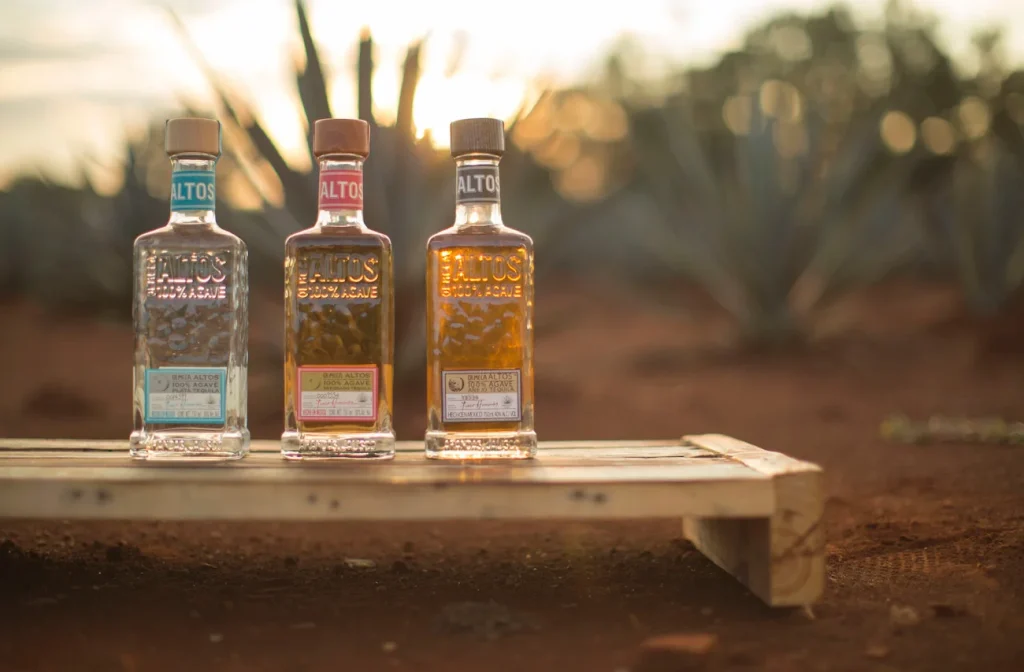
Tequila, a much-loved spirit celebrated for its distinctive flavour and versatility, originates from Mexico. Produced from the blue agave plant, tequila carries a rich heritage and a painstaking production process.
But did you realise that tequila isn’t just one single kind of drink? There are several varieties of tequila, each with its own unique traits. This article delves into the intricacies and subtleties of Tequila.
Types of Tequila
The variations in Tequila arise from several factors, including the type of agave employed, the region of production, and the maturation process. For those eager to experiment, discover some of the finest tequila recipes that perfectly showcase these unique characteristics….
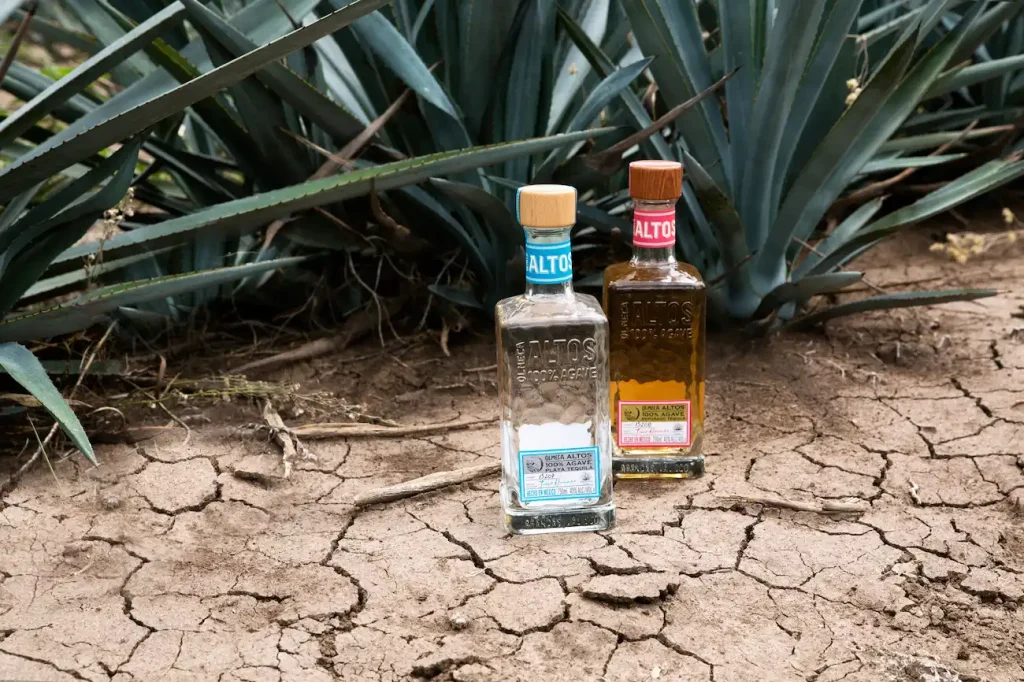
Tequila has not only become increasingly popular across the globe but has also established itself as an impressively versatile drink. Perfect for enjoying on its own, in classic cocktails such as the margarita or the paloma, or as a base for creative concoctions, tequila provides a wide array of possibilities for those who appreciate distinctive flavours. The art of infusing tequila unlocks even more opportunities to personalise this spirit with fresh, vibrant ingredients.
How do You Infuse Tequila: Types of Tequilas
Selecting the right base is a crucial step in the infusion process. Tequilas are typically categorised as blanco, reposado, or añejo, each with unique characteristics that influence the final flavour of the infusion:
Tequila Blanco: Also referred to as “silver,” this variety is favoured for infusions due to its neutral and clean flavour profile, which is ideal for showcasing the flavours of the added ingredients….
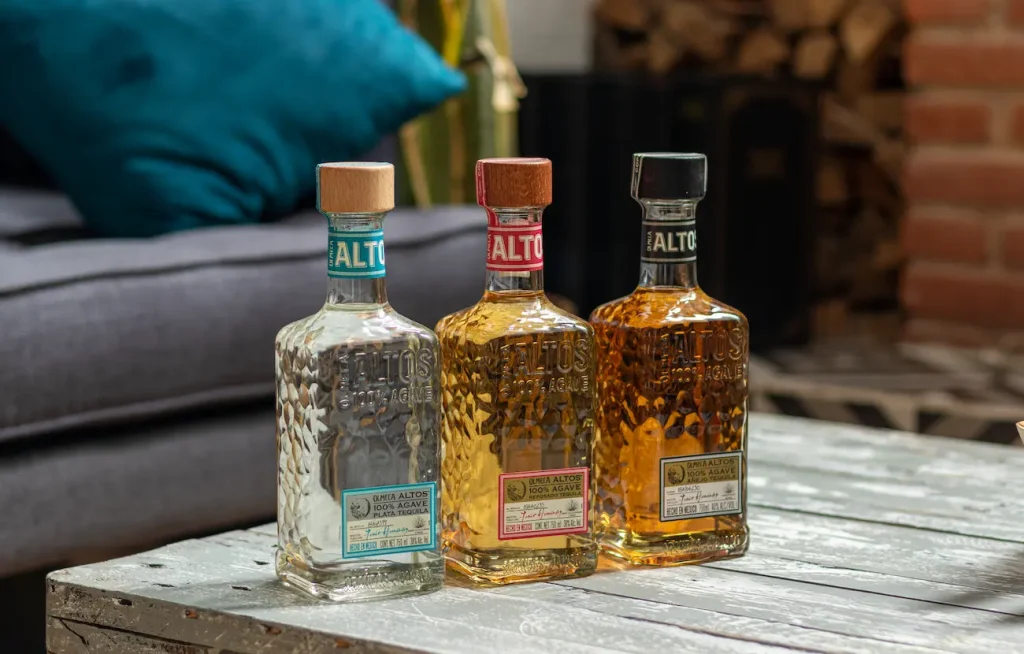
Tequila is renowned for its distinctive and vibrant flavour. Whether you’re a casual enthusiast or a seasoned connoisseur, understanding how to store your tequila correctly can greatly influence its quality and longevity. This guide will outline the best practices for tequila storage, debunk common misconceptions, and offer tips to help preserve its unique characteristics.
How Do You Store Tequila?
Misconceptions about Aging in Spirits Versus Wine
A common misconception is that spirits like tequila continue to age and improve in flavour once bottled, much like wine. However, this is not the case. Unlike wine, which matures and develops complexity in the bottle, the ageing process for tequila is complete before it is bottled, while it is still resting in barrels. Once sealed, the goal is to maintain the flavour and quality as it was when it left the barrel.
Indicators of Compromised Quality in Tequila…
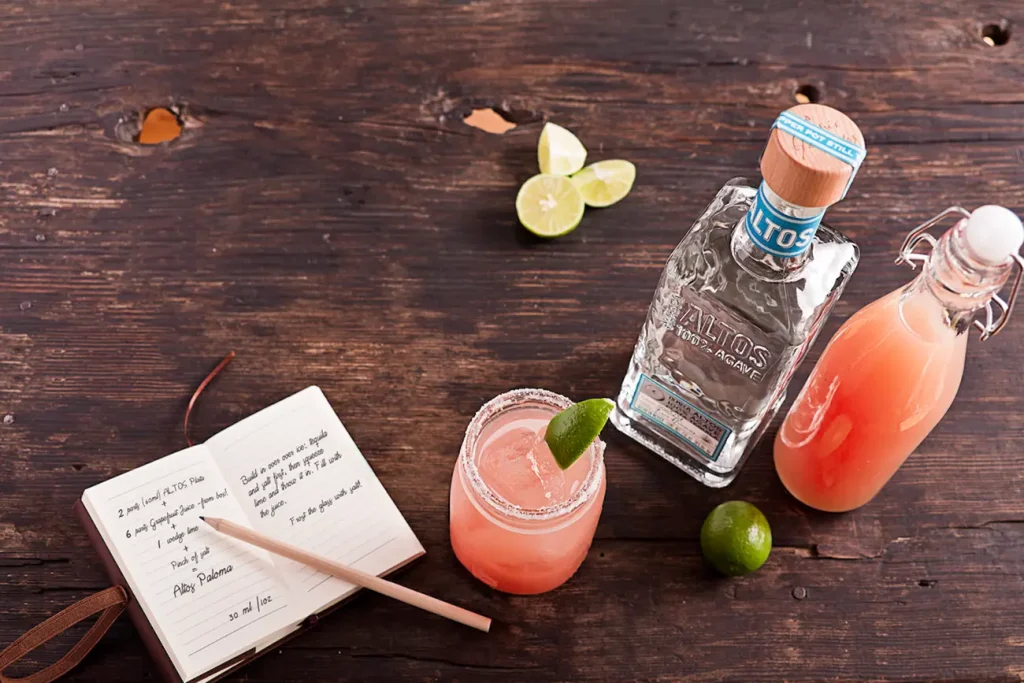
The Paloma, a refreshing mix of tequila, grapefruit juice, lime juice, and occasionally a pinch of salt, is a favourite for many. However, for those mindful of their consumption, understanding its nutritional profile is essential. This article delves into the nutritional breakdown of the Paloma, covering its calorie count, fat, sodium, potassium, carbohydrates, protein, vitamins, and minerals, as well as other nutrients that contribute to its overall value.
Calories in a Paloma Drink
A typical Paloma cocktail contains between 150 and 200 calories per serving. The exact caloric content can vary depending on the specific ingredients and their quantities. For instance, using sugar-free grapefruit juice can significantly lower the calorie count. It’s worth noting that the majority of the calories in a Paloma come from its sugar-containing components.
Fat Content in the Paloma
Palomas are virtually fat-free. The ingredients used in a traditional Paloma cocktail do not contain any fats, making its fat content effectively negligible….
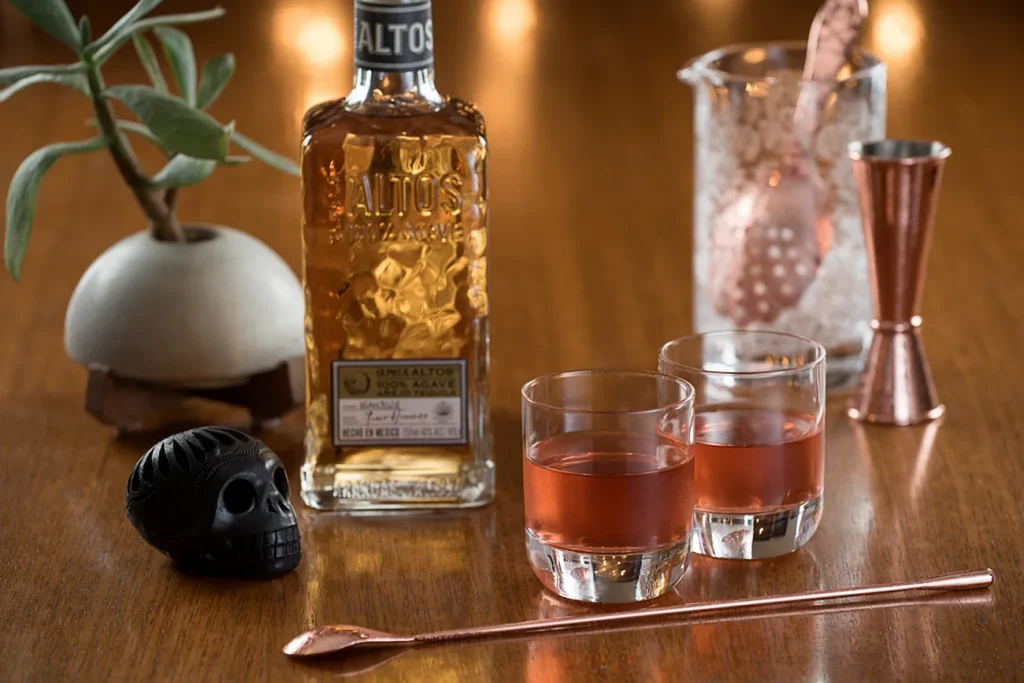
Añejo tequila is renowned for its aged flavour and aroma, having been matured for 14–18 months. This transforms it into a drink that deserves to be enjoyed with the respect and tradition its history commands. Thus, it’s essential to explore various ways to savour añejo tequila, from including it in classic cocktails to enjoying it neat or on the rocks, while also considering food pairings that best enhance its unique taste. Mastering the proper way to drink añejo tequila can elevate the experience from enjoyable to unforgettable.
How to Drink Añejo Tequila in Cocktails
Making an Old Fashioned Cocktail
The Old Fashioned is a timeless cocktail traditionally made with whisky, but substituting it with añejo tequila offers an unexpected twist. Required ingredients:
…
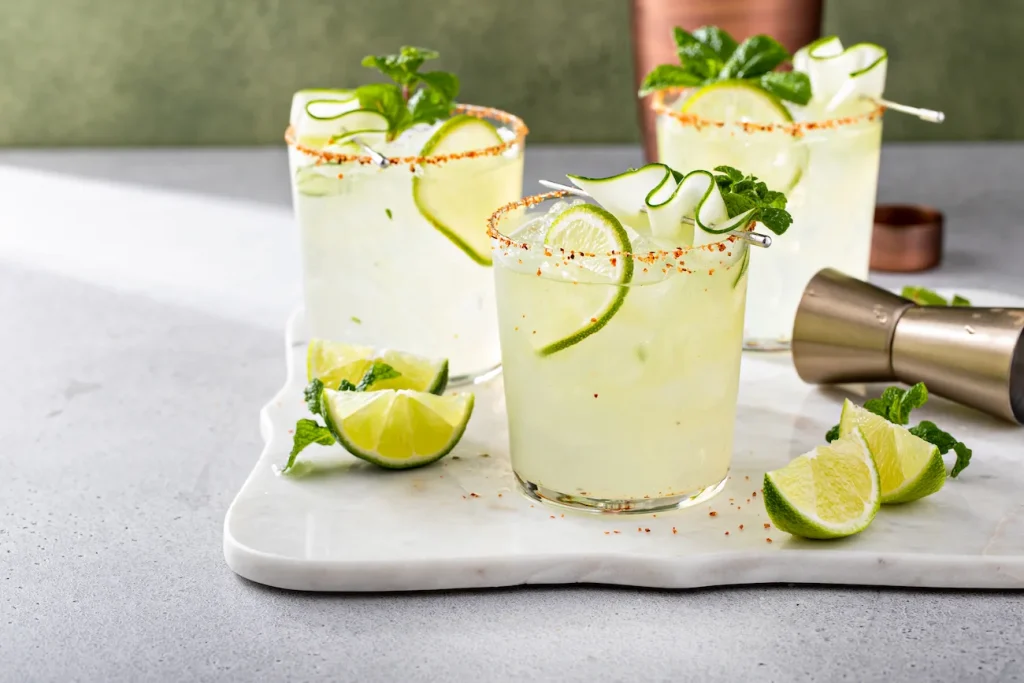
When savouring a refreshing margarita, many overlook its carbohydrate content. However, for those on a low-carb diet, understanding this can be quite important.
How many carbohydrates are in a Margarita Mix?
The carbohydrate content in margarita mix can vary greatly depending on the brand you choose. On average, a standard serving (around 4 ounces or 120 millilitres) contains between 20-30 grams of carbohydrates. Some mixes may contain as much as 35 grams per serving, while others can be as low as 15 grams. Checking the nutrition label is key to understanding the exact carb content.
Several factors influence the carbohydrate levels in a margarita. The ingredients play a significant role—while tequila itself is low in carbs, other components like triple sec and sugar syrup can add substantially to the total….
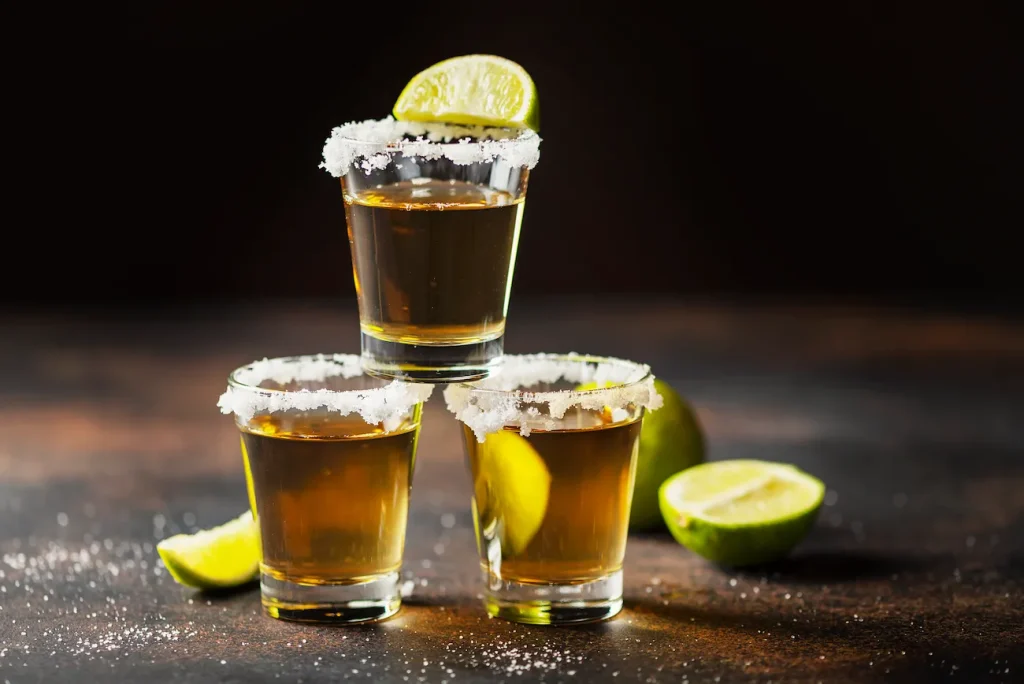
The world of tequila is as rich and intricate as the spirit itself. However, like many popular products, it is not exempt from counterfeiting. Fake tequila has found its way into the market, posing a considerable risk to both consumers and legitimate brands. This article seeks to explore the concept of fake tequila, highlighting its key differences and characteristics, as well as providing guidance on how to identify it.
What constitutes fake tequila?
Understanding what qualifies as fake tequila is the first step to protecting yourself from its potential risks. Authentic tequila is crafted from agave and regulated by stringent Mexican laws and standards, ensuring both quality and authenticity. In contrast, fake tequila often includes blends of other alcohols or sugars, straying far from the genuine product.
Typical characteristics of counterfeit tequila include a noticeable lack of complexity in flavour and aroma compared to the real thing. It may also exhibit an overly harsh or excessively sweet taste due to added ingredients. The packaging might omit crucial details, such as the Norma Oficial Mexicana (NOM) number, which verifies that the product complies with Mexican government regulations….