


Can tequila freeze?
Many tequila enthusiasts often wonder: can tequila freeze? While the quick answer is that your standard bottle won’t solidify in a domestic freezer, the full explanation involves a closer look at alcohol by volume, temperature limits and the best ways to store your spirits.
Whether you are thinking about chilling your tequila for a more refined serve or you are simply curious about the chemistry, this guide offers all the essential details.
Alcohol Content and Freezing Temperatures
To understand why tequila resists freezing, one must look at its alcohol by volume (ABV) content. Most expressions sit between 35% and 55%, with 40% ABV being the most common standard. Whilst pure ethanol only freezes at a staggering -114°C (-173.2°F), water turns to ice at 0°C (32°F).
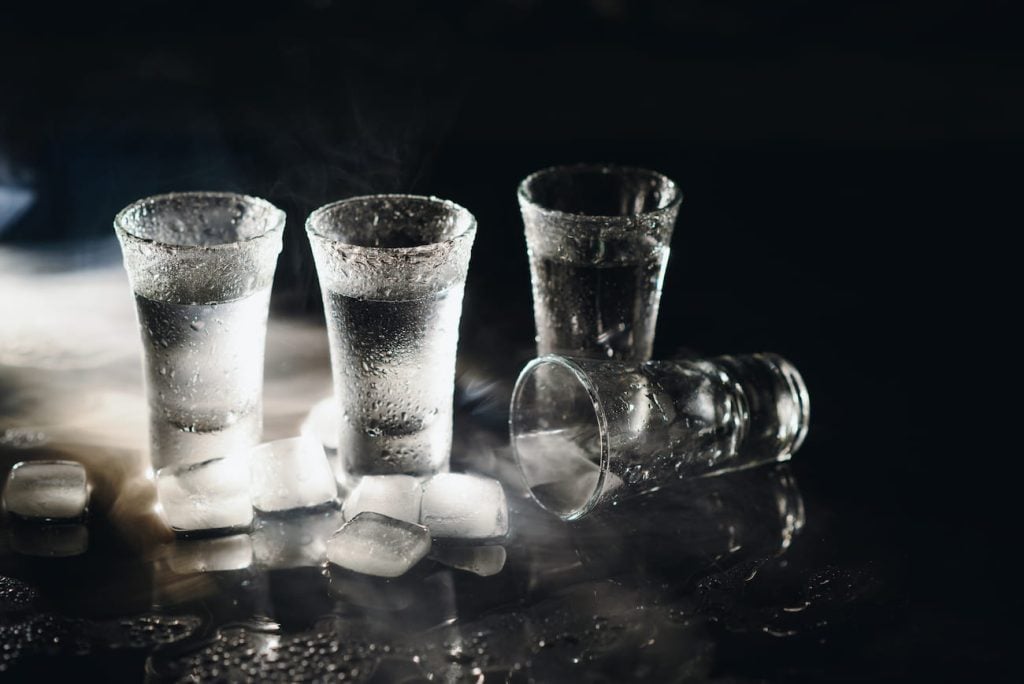
When blended into tequila, the mixture’s freezing point drops significantly below that of water. Generally, a 40% ABV tequila requires temperatures around -23°C (-10°F) to freeze. Given that most UK home freezers are set between -15°C and -20°C, your bottle will remain perfectly liquid. However, in industrial units or extreme arctic conditions, freezing can certainly occur.
The alcohol essentially functions as a built-in antifreeze, preventing ice crystals from forming and lowering the liquid’s freezing threshold. This explains why you can keep most spirits, tequila included, in your kitchen freezer without any mishap.
What Determines if Tequila Can Freeze?
Several elements dictate how your tequila behaves when the temperature drops. The specific alcohol by volume (ABV) is the most critical factor; high-proof spirits, such as those in the Altos family, are much more resilient to the cold than lower-strength varieties.
A bottle at 35% ABV will begin to crystallise much sooner than one at 55% ABV. Furthermore, the presence of natural sugars and compounds from the agave or the ageing process can subtly shift the freezing point.
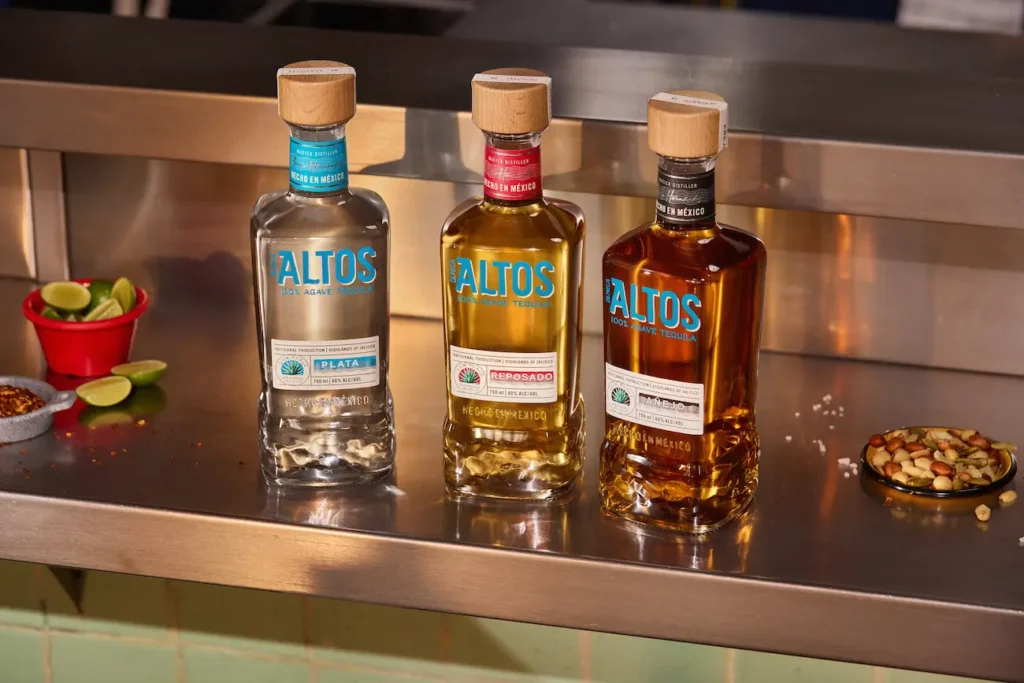
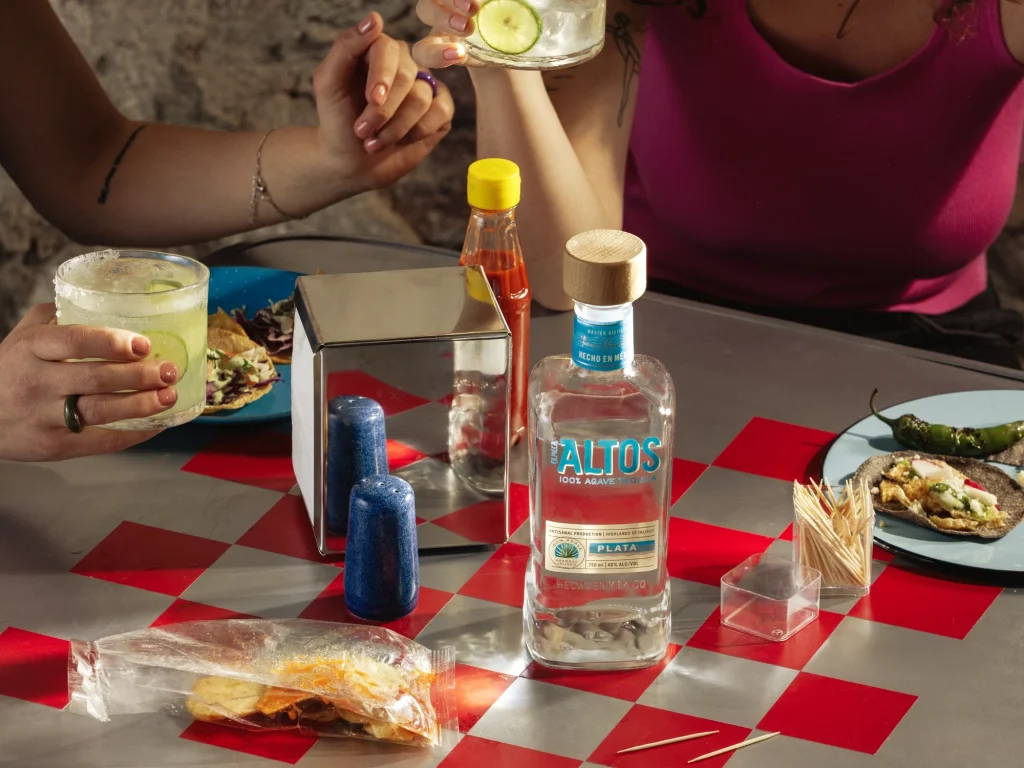
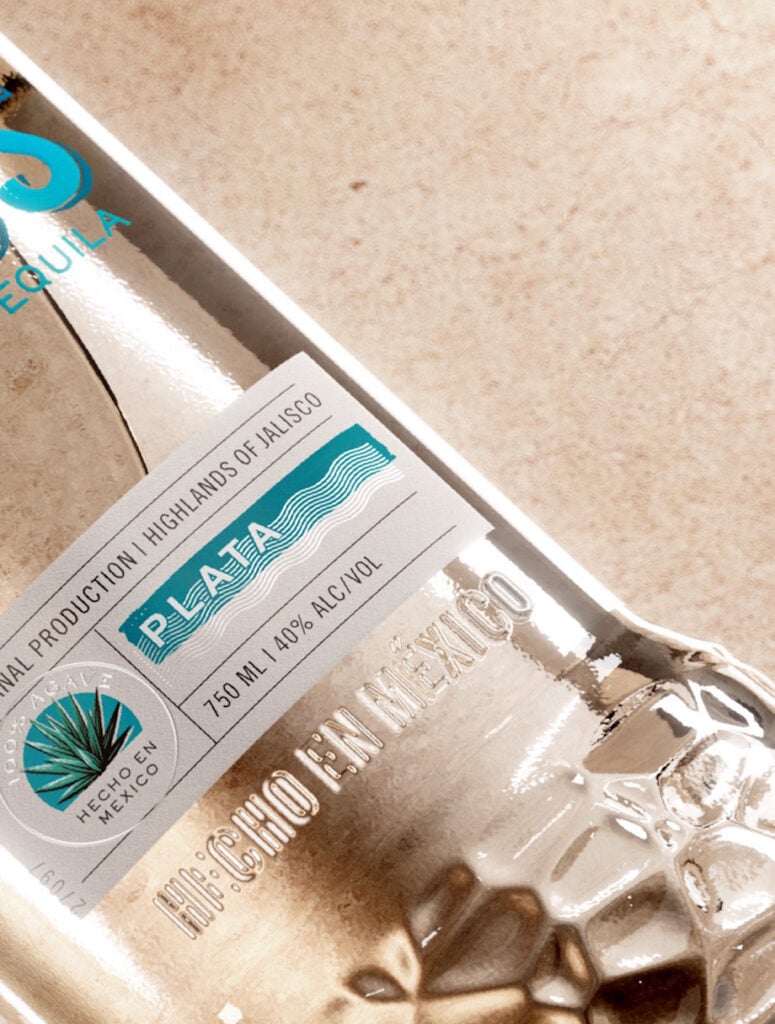
The specific category of tequila is also a factor. Blanco spirits like Altos Plata usually contain fewer congeners than reposado or añejo versions, which might slightly alter their reaction to cold. That said, the difference is negligible for the average home enthusiast.
Fluctuations in temperature also matter; repeatedly opening the freezer door can cause slight inconsistencies that might affect lower-proof spirits, though this is rarely an issue for premium tequila.
Practical Tips for Freezing Tequila Safely
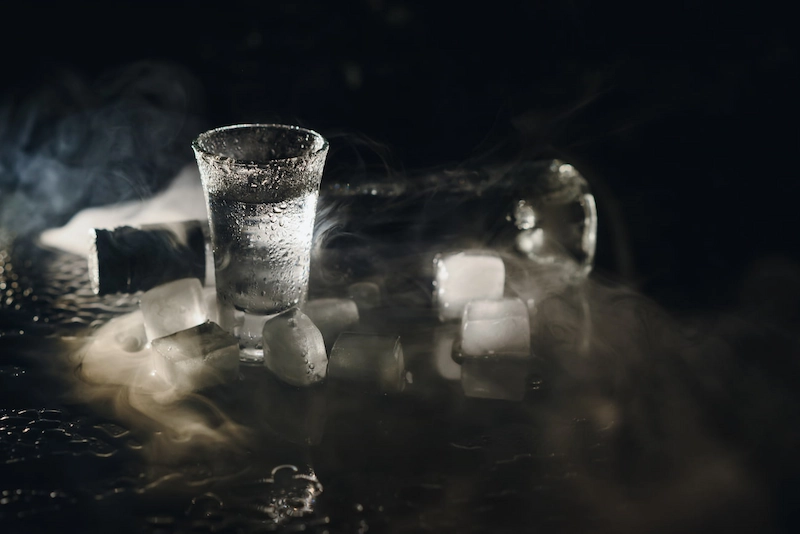
If you prefer your tequila properly chilled, here are a few expert tips for freezer storage:
- Temperature Stability: make sure your appliance stays at a steady -15°C to -18°C. It is best to avoid the freezer door racks, as these areas suffer from the most frequent temperature changes.
- Bottle Orientation: always keep your bottles upright. This protects the cork or stopper from constant contact with the cold liquid, ensuring the seal stays intact for longer.
- Gentle Cooling: try to let the bottle reach temperature gradually rather than subjecting the glass to a sudden, extreme thermal shock.
- The Tasting Experience: bear in mind that frozen tequila becomes more syrupy. While some enjoy this richer mouthfeel, the cold can mask some of the more delicate agave notes.
- A Note on Safety: you should never attempt to “flash-freeze” a bottle in an ultra-cold industrial environment, as the rapid contraction can cause the glass to fail.
How Tequila Compares to Other Spirits
Placing tequila alongside other spirits helps illustrate its cold resistance. Vodka, usually bottled at 40% ABV, shares a similar freezing point of roughly -23°C. You will find that whisky, bourbon and rum behave in much the same way. For a deeper dive into these spirits, you might enjoy our article on the differences between vodka and tequila.
Higher-strength bottles, such as cask-strength whiskies or overproof rums, are even more resistant, often requiring temperatures below -29°C to freeze. On the other hand, lower-strength liqueurs with high sugar content can often become slushy in a standard home unit.
Beer and wine, which typically sit between 3% and 15% ABV, will freeze solid quite quickly. This contrast underscores why tequila’s high alcohol content is so effective at keeping it liquid. Interestingly, the concept of “frozen tequila” is a popular topic amongst bartenders.
While a home freezer won’t do the trick, professional mixologists sometimes use liquid nitrogen to create innovative frozen textures for modern cocktails.
The Science of Freezing Resistance in Spirits
Does tequila actually freeze? From a scientific perspective, it is all about “freezing point depression”. When ethanol molecules mingle with water, they act as a barrier to ice crystal formation. Because alcohol molecules are smaller and move more freely, they prevent the water from settling into the structured pattern required to turn solid.
This is a “colligative property”, meaning the effect depends entirely on the concentration of alcohol rather than the type of spirit. The higher the ABV, the harder it is for ice to form.
Furthermore, the specific heat capacity of ethanol plays a part. It requires more energy than water to change temperature, so it cools down and warms up more slowly. This contributes to that consistent, smooth chill you feel when sipping a cold glass.
Finally, the organic flavour compounds—or congeners—developed during fermentation also play a minor role in how the liquid responds to sub-zero temperatures.
Experience Premium Tequila with Altos
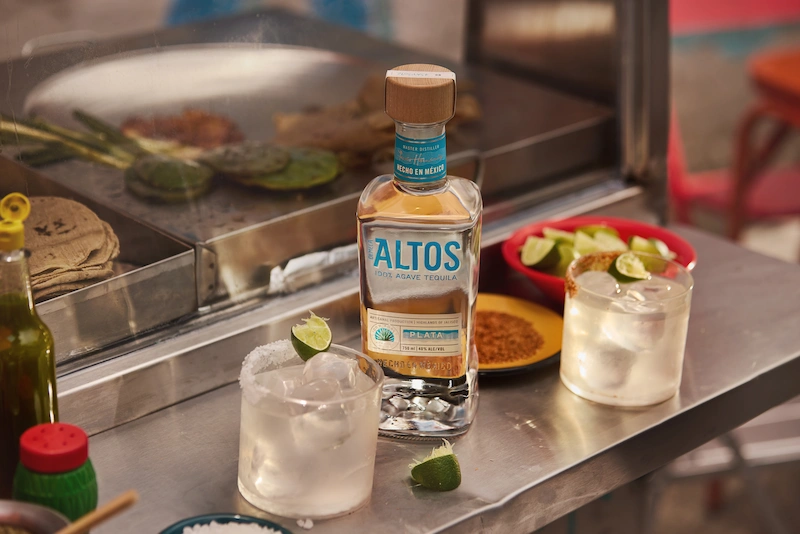
Choosing a high-quality brand is essential when exploring how temperature affects your spirits. Altos is a testament to traditional Mexican craft, producing blanco, reposado and añejo tequilas that beautifully express the agave’s character.
Whether you enjoy your serve at ambient room temperature or prefer it crisp from the freezer, our 40% ABV ensures a perfect balance of flavour and that signature smooth finish.
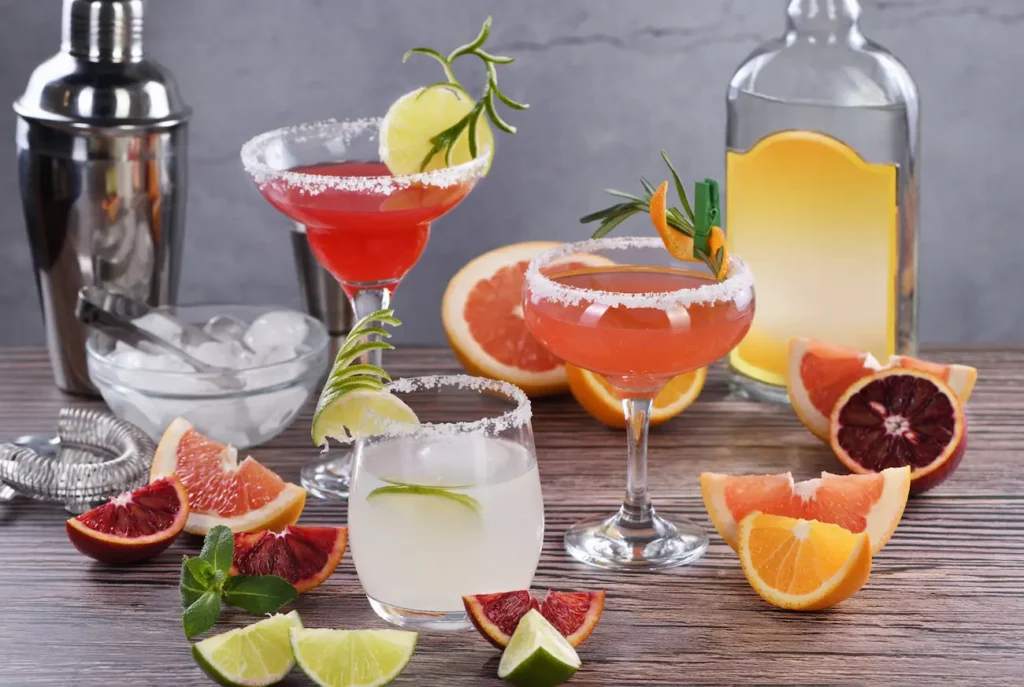
For those looking to see how tequila performs in different serves, our range is designed to complement a wide array of ingredients. We invite you to explore our best tequila cocktail recipes to see how various temperatures and techniques can transform your drinking experience.